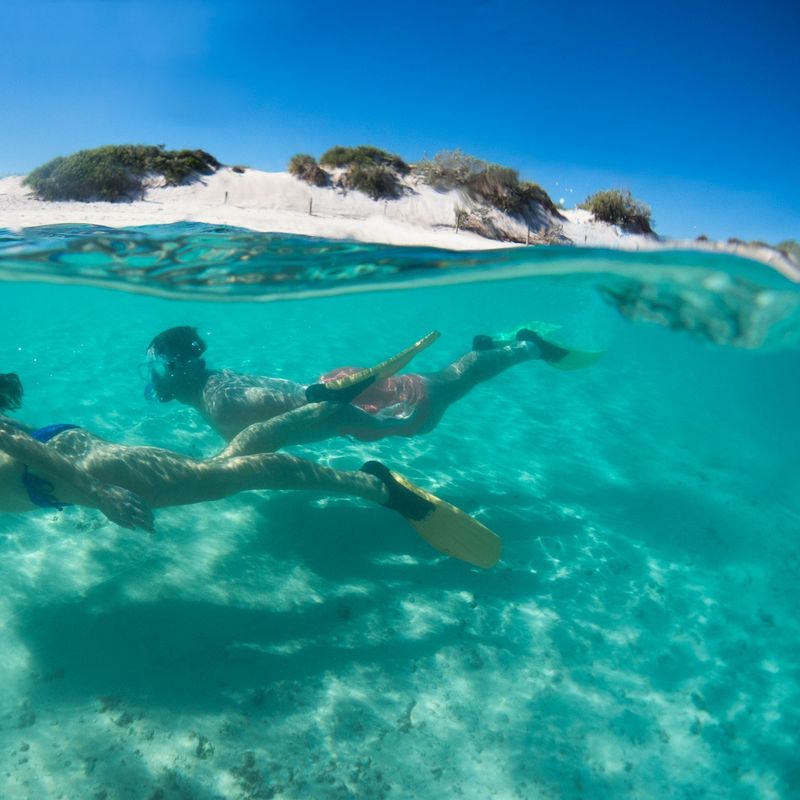
Northern Territory
The Northern Territory is an outdoor adventure playground, home to ancient culture, dramatic landscapes, unique wildlife and Australia’s largest national park.

Where should you visit in the Northern Territory?
Darwin
Uncover the mystery of Darwin, the capital city of the Northern Territory and the gateway to the Top End of Australia. Rich in Indigenous history and culture, the city is referred to as Garramilla by the traditional owners of the region, the Larrakia Aboriginal people of Australia.

The history of Darwin
The city was named after Charles Darwin, an English naturalist, geologist, and biologist who was best known for his contribution to the science of evolution. Darwin has an interesting history that includes Cyclone Tracy, a cyclone that hit on Christmas Day in 1974. During World War II in 1942, the city was bombed.
Nature at your doorstep
Despite the hardship, today Darwin is a vibrant and friendly place, filled with many attractions. This laid-back city has a tropical climate with two seasons, wet and dry. Nearby, you can visit stunning nature at Litchfield National Park and Kakadu National Park.

Fill your days with authentic Australian activities
Pop into a classic Aussie pub and try a crocodile burger. Be sure to take a stroll through the Darwin Botanic Gardens, discovering the tropical flora and fauna. Ever wanted to see a saltwater crocodile up close? Then visit Darwin Crocodile Park. Here, you can get up close to this reptile while snorkelling in a glass cage.
Enjoy the great outdoors
Between the end of April and the end of October, it is possible to visit the Mindil Beach Sunset Markets every Thursday and Sunday. Enjoy exotic dishes, performances, and a relaxed atmosphere at sunset. Catch some waves at the Darwin Wave Pool, have a picnic at East Point Reserve, or hand-feed fish at Doctor's Gully!

Discover the local attractions
Feeling active? Discover Darwin by bike. Or if you are seeking culture, check out local art and history at the Museum and Art Gallery of the Northern Territory. Take a stroll along Darwin’s shady Esplanade or conquer the Heritage & Cultural Trail. End your day with a cruise on Darwin Harbour and watch the sunset.

Alice Springs
Welcome to the gateway to the Red Centre of Australia, Alice Springs. Located halfway between Adelaide and Darwin, this country town is the perfect launching pad to Uluru and the treasures of the Outback. The third-largest town of the Northern Territory has a big heart and many attractions to discover.
Uncover the oldest living culture in the world
This desert region features red sand deserts, tropical rainforests, impressive rock formations, deep ravines, and waterfalls. Alice Springs is a timeless place, alive with Aboriginal culture. Be sure to pop into one of the many traditional Aussie pubs while you are there too!
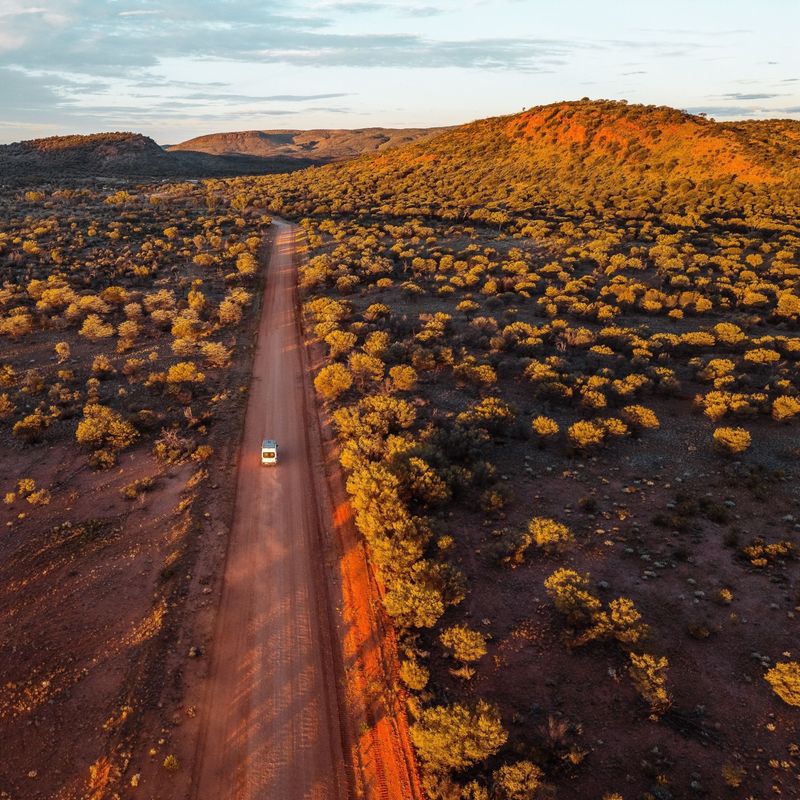
Watch the sunset over Alice Springs
From Anzac Hill, you have a beautiful view over Alice Springs. Here, you can watch the sunset. The walk-up takes approximately 30 minutes. The Corroboree Rock Conservation Reserve is a sacred site for the Western Arrernte people. Take a wander around the base of the rock or rent a bike, and cycle around Alice Springs and its beautiful surroundings.
Spot unique Australian wildlife
In Desert Park, a ten-minute drive from Alice Springs, you can spot special animals such as birds of prey, reptiles, and the big red kangaroos. Meet Aboriginal artists at the Iltja Ntjarra Many Hands Art Centre. Wander through sandy gorges and discover Aboriginal rock art at The Yeperenye/Emily and Jessie Gaps Nature Park and much more.

Uluru/ Ayers Rock
Around 292 miles west of Alice Springs is one of nature’s greatest spectacles: Uluru. Set within Australia’s Red Centre, this remarkable monolith rises 1,142 feet and was formed more than 600 million years ago.
With a circumference of around 5.8 miles, Uluru has a powerful spiritual presence. The area is listed as a UNESCO World Heritage Site and is sacred to the Pitjantjatjara Anangu, the Aboriginal people of the region.

Visit the local Indigenous Anangu Culture
For decades the Anangu people have asked tourists not to climb Uluru because it holds such importance to them. Since October 2019, climbing Uluru/ Ayers Rock has been banned. The Indigenous people of Australia ask you kindly to show respect to their precious land during your visit.
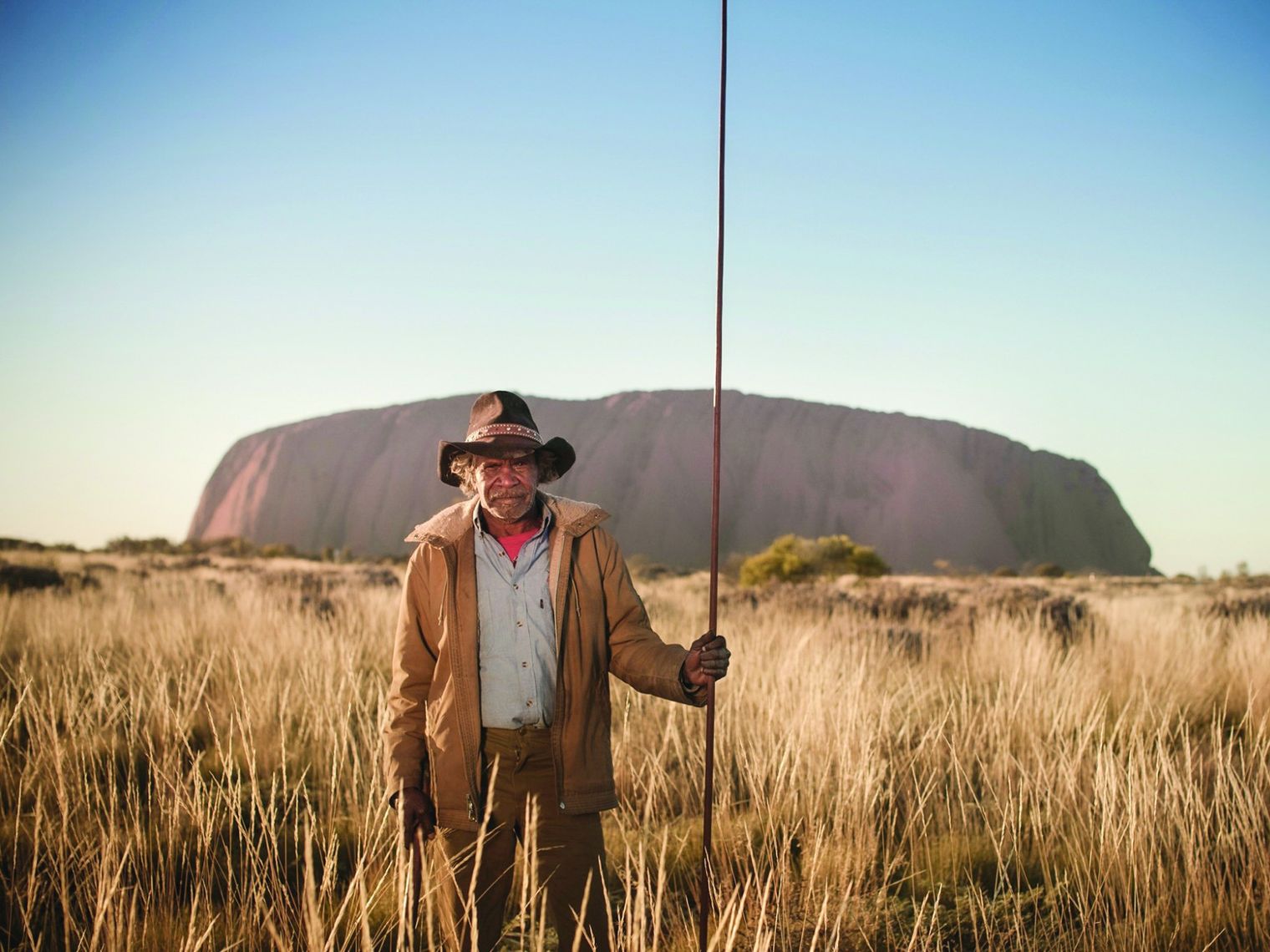
The ultimate dining experience in Central Australia
During the Sounds of Silence Dinner at Uluru, you can dine under the night sky, while your Indigenous guide will tell you special stories about the surroundings. The food, the sunset, the starry sky, and the stories make this a great experience.
Feeling adventurous in the Red Centre?
Watch the sunrise on a Segway tour, or discover the outback on a Harley-Davidson. For something more active, rent a bike and cycle around Uluru, or experience it up close on the 6.2-mile base walk.
You can also ride a camel through the Australian outback for a different perspective on this remarkable landscape.

The Olga's/ Kata Tjuta
Visit the 36 red-rock domes that form Kata Tjuta, also known as the Olgas, located around 25 miles west of Uluru. Watch the sunrise or sunset as the outback landscape shifts through striking shades of burnt orange and bright red. For a different perspective, take a scenic flight over this extraordinary landscape.
Watch the sunset with the outback as your backdrop
At the end of the day, many people head to the Kata Tjuta sunset viewing area, leaving the benches along Walpa Gorge mostly empty. If you want a place less busy, take a seat and enjoy the changing colours on the surface of the gorge as the sun sinks behind the valleys and the distant horizon.

Kakadu National Park
Rich in ecological and biological diversity, Kakadu National Park is listed as a UNESCO World Heritage Site. Covering more than 7,700 square miles, this vast, untamed landscape is Australia’s largest national park. Discover untouched scenery, unique flora and fauna, and ancient culture in the Top End.
Home to the saltwater crocodile
With over 10,000 crocodiles, Kakadu is home to ten percent of all the saltwater crocodiles in the Northern Territory. In North Kakadu, you can discover an assortment of diverse landscapes which reach the ocean. From floodplains, swamps, lowlands, rocky ridges, and billabongs. This special part of the world is home to one-third of Australia’s bird species.

A real Aussie adventure
South Kakadu is characterised by a rugged and rocky landscape. Visit the iconic waterfalls, Jim Jim Falls and Twin Falls. Both waterfalls are surrounded by impressive rock formations that can only be reached by 4WD and boat during the dry season.
At Gunlom Falls, make the steep climb to the top for an unforgettable view over South Kakadu. Take a dip in the freshwater of Gunlom Falls. Join in the Yellow Water Cruise and travel along a billabong while your guide teaches you about this unique and diverse landscape.

Extra information for your visit
If you want to visit Kakadu National Park, please take into account the payment of entrance fees. All information can be found on the Parks Australia website. For more information during your visit, go to the Bowali Visitor Centre. The friendly staff are ready to answer any questions you may have and would love to help you plan your walks and activities. Jabiru has a service station, news agency, post office, supermarket, medical centre and chemist's.
There is plenty to do in the Top End
Go birdwatching at Mamukala Wetlands, go swimming in a natural pool or pack a picnic and go on the Bukbukluk lookout walk. The Warradjan Aboriginal Cultural Centre offers an extensive exhibit, and at the Burungku (Nourlangie) rock art site, you can admire ancient art. Are you up for a challenge? The Twin Falls plateau walk features remote and unspoilt wilderness.

Litchfield
Uncover the mystery of a water wonderland and outdoor playground, Litchfield. Discover an ancient landscape and national park that has been shaped by water. Located around 62 miles southwest of Darwin, this fascinating region covers approximately 580 square miles.
A favourite escape for locals, it is a place where you can swim in natural pools, walk through monsoon forests and learn more about the world’s oldest living culture.

Rich in Indigenous culture
The area has been inhabited for thousands of years by the Koongurrukun, Mak Mak Marranunggu, Werat, and Warray Aboriginal people. Explore Litchfield with an Indigenous guide, hop into a 4WD, visit historic ruins, and be dazzled by giant termite mounds that are higher than you! And be sure to see clusters of weathered sandstone pillars at the Lost City.
Authentic Australia
For something adventurous, take on the 24-mile Tabletop Track. You can also go swimming at Buley Rockhole, enjoy a picnic at Wangi Falls, or step into the past at Blyth Homestead, which is only accessible by 4WD. For a local treat, try a crocodile, buffalo or barramundi burger at the Tin Shed.

Katherine/ Nitmiluk
Explore a magical place filled with gorges, plunging waterfalls, warm thermal springs and rich Indigenous culture. Katherine is located around 199 miles southeast of Darwin, on the banks of the Katherine River.
Blending the outback with the tropics, it is a memorable place to experience a different side of the Northern Territory.

Marvel at the natural beauty of Nitmiluk National Park
Katherine Gorge can be found in the Nitmiluk National Park, a system of canyons that have been carved by the Katherine River over hundreds of years. Explore this mysterious place on foot, by air, or by canoe. Don’t miss out on a night sleeping in a traditional Australian swag on the banks of the river, where the stars are your ceiling!
The first Indigenous actors
An influential Australian film, Jedda the Uncilivised (1955), was filmed in this region. This movie is significant because it was the first film to star two Aboriginal actors. It was also the first Australian feature film to be shot in colour.

Arnhem Land
Would you like to learn more about the world’s oldest living culture? Nowhere else is Aboriginal culture more deeply woven into daily life, or the traces of the past more visible, than in Arnhem Land.
Located in the northern part of the Northern Territory and covering around 37,450 square miles, this special region is Aboriginal land, and access is restricted. If you would like to visit, you will need to arrange the appropriate permits or join an approved tour.

Rich in culture and history
Named after the Dutch ship, Arnhem explored the northern coastline in 1623. Home to the Aboriginal Yolngu people, the traditional owners of the land. Arnhem Land is also home to one of the oldest instruments in the world, the didgeridoo.
Are you a birdwatcher? More than 200 different species of birds live in Arnhem Land. The Buku-Larrnggay Mulka Art Centre is also a must-do!

Tiwi Islands
Just off the mainland of Darwin, you will find the island of smiles, the Tiwi Islands! Rich in Indigenous culture, here you can find world-class fishing, stunning coastal landscapes, and much more. With the majority of the population being of Indigenous descent, it’s an ideal destination to learn more about Aboriginal culture.
Renowned for spectacular pieces of art, there are plenty of opportunities to purchase something special. If you like, you can also watch the artists in action. Learn how to weave or take part in a traditional smoking ceremony. There are many things to do and see in this part of the Northern Territory.

Tjoritja/ West MacDonnell Ranges
West MacDonnell National Park is known as Tjoritja by the Traditional Owners, the Arrernte people. Located around 767 miles south of Darwin and stretching for around 100 miles west of Alice Springs, this beautiful region is filled with dramatic natural landscapes.
Discover waterholes, atmospheric gorges and natural swimming spots. For something more active, take on part of the Larapinta Trail, a 139-mile walking route through the West MacDonnell Ranges.
Connect with nature in the heart of the outback
Keep your eye out for the unusual Peregrine Falcon and be sure to visit the Ochre Pits. Redbank Gorge is an ideal place to cool off. Ellery Creek Big Hole is a popular place to swim, camp, hike and picnic! If you’re lucky, you may spot Black-footed Rock-wallabies at Simpsons Gap.

The Barley Tablelands
The Barkly Tablelands cover around 109,500 square miles, stretching from the eastern part of the Northern Territory into western Queensland. This vast region is made up of rolling grassland plains and is known as some of the best beef-cattle grazing country in Australia.
With the lowest population of any region in the Northern Territory, most people live in the main towns of Tennant Creek and Renner Springs.

Explore Tennant Creek
Located around 621 miles south of Darwin and 311 miles north of Alice Springs, Tennant Creek is a country town set along the Stuart Highway.
Famous as one of Australia’s last gold rush sites during the 1930s, it is also home to the historic Tennant Creek Telegraph Station.
Uncover the rich culture
The traditional owners of the area surrounding Tennant Creek are the Warumungu people of Australia. To learn more about their stories, visit the Nyinkka Nyunyu Art & Culture Centre. As well as culture, the town is also known for its mining and was once the third-largest producer of gold.

Are you ready for a self-drive Northern Territory holiday?
Let's design your holiday together
We'll take the time to get to know you to match your fully bespoke holiday with your pace, your interests, and anything you desire. Combined with first-hand, local knowledge, you'll receive a mapped-out itinerary from us, but the process isn't done until you are 100% satisfied.
We take care of every detail, so you can focus on relaxing, rejuvenating and reconnecting with yourself and the world around you. Get in touch to get started now.