Mount Aspiring National Park
Discover Mount Aspiring National Park, a remote South Island wilderness of rugged mountains, glaciers, river valleys and adventurous outdoor experiences.
Why visit Mount Aspiring National Park?
Mount Aspiring National Park is one of New Zealand’s most rewarding places for travellers who want to experience true wilderness. Set on the South Island, it remains one of the country’s least developed national parks, with vast untouched landscapes, rugged mountains, glaciers and remote valleys.
Here, you can venture into the Siberia Valley on a scenic walk, take in dramatic alpine views, or enjoy a thrilling jet boat ride along the Makarora and Wilkin Rivers. It is a place for adventurous spirits who want to experience New Zealand at its wildest.
.jpg?tr=n-MyPortal_DayByDay_CarouselIntro_Desktop)
What makes Mount Aspiring National Park special?
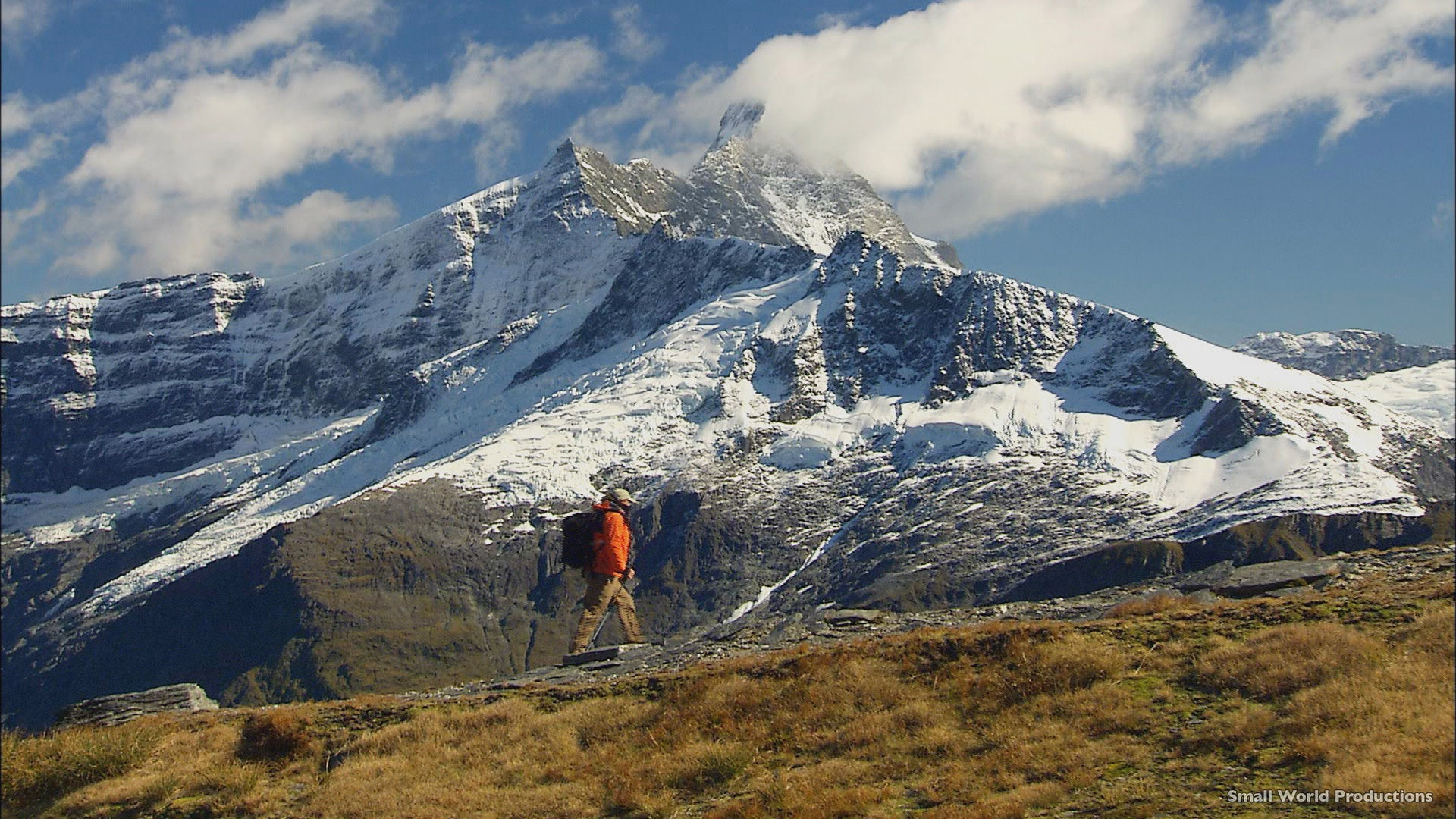
Mount Aspiring National Park is named after Mount Aspiring, one of New Zealand’s highest peaks, which rises to 9,951 feet above sea level. Located in the Southern Alps of the South Island, near Lake Wānaka, it neighbours Fiordland National Park, New Zealand’s largest national park.
Explore this World Heritage wilderness
Mount Aspiring National Park forms part of Te Wāhipounamu, a UNESCO World Heritage area that covers around 10% of New Zealand’s landmass and stretches for more than 280 miles. Early Māori named Mount Aspiring Tītītea, meaning “steep glistening white peak”.
The national park covers around 1,375 square miles and is home to several remarkable peaks. Alongside Mount Aspiring, two important mountains are Mount Pollux, which rises to 8,340 feet, and Mount Brewster, which reaches 8,264 feet.

Highlights of Mount Aspiring National Park
With an extensive range of landscapes, Mount Aspiring is popular for walking, hiking and mountaineering. Considered a hard-edged beauty for the sheer untamed nature of the habitat, it will still take your breath away.
It is easy to explore the park from the towns of Glenorchy and Wanaka. Highlights include visiting the stunning Blue Pools, hiking to Brewster Hut, and being blown away by Thunder Creek Falls.

What is there to do in Mount Aspiring National Park?
Explore Mount Aspiring National Park on foot
Mount Aspiring National Park is a paradise for walkers, with trails to suit a range of fitness levels and travel styles. Short walks and longer hiking routes wind through beautiful valleys, alpine landscapes and remote wilderness areas, giving you plenty of ways to experience the park on foot.
Some of the most popular routes include the Routeburn Track, the Wilkin Valley and the Rees-Dart River Tracks, each offering a different perspective on this remarkable part of New Zealand.

Walk deeper into the wilderness
Summer is the best time to walk the famous three-day Routeburn Track. This 20-mile route leads you through beautiful forested sections, where you can look out for native birdlife such as the tomtit and yellow-crowned parakeet.
At its highest point, the track reaches around 4,117 feet above sea level, with spectacular views of valleys, waterfalls, lakes and alpine landscapes along the way.

What can you experience in the West Matukituki Valley?
The West Matukituki Valley is a beautiful place to experience Mount Aspiring National Park on foot. The walk leads you through breathtaking alpine scenery towards the famous stone Aspiring Hut, with views that make the journey feel special from the very start.
The route is relatively easy, making it suitable for families and those who are newer to hiking. Huts can book up quickly and often work on a first-come, first-served basis, so it is worth planning ahead if you would like to include this experience in your journey.

Take in the valley views
The walk to Aspiring Hut offers remarkable views up and down the valley. Breathe in the fresh mountain air and take your time to enjoy the surrounding landscape of forest, waterfalls, glaciers and mountain peaks.
If you would like a longer walk, you can continue further along the French Ridge and Liverpool Hut tracks.
Explore the Rob Roy Glacier
A symbol of Mount Aspiring National Park, the Rob Roy Track leads hikers through dramatic alpine landscapes towards the Rob Roy Glacier.
This walk takes around three to four hours to complete, but time can feel almost irrelevant as you pass cascading waterfalls, rugged rock faces and sweeping mountain scenery. It is a beautiful hike and features among the Top 50 South Island Walks.

Discover the striking Blue Pools
The Blue Pools walk is one of the area’s best short walks. This easy, mostly flat track leads through native forest to pools of clear blue glacial water, which flow into the Makarora River.
Cross the swing bridge to reach the viewing platform, where you can take in beautiful views of the crystal-clear pools below.
Tip: Wear insect repellent and long trousers when visiting the Blue Pools, as sandflies are common here and their bites can be very itchy.

Experience Mount Aspiring by jet boat
For a thrilling way to explore Mount Aspiring National Park, a jet boat tour is hard to beat. Travelling along the region’s rivers gives you a fun and memorable perspective on this spectacular World Heritage area, with mountain scenery, remote valleys and wilderness all around you.
Some jet boat experiences can also be combined with a valley walk, giving you the chance to discover the park from both the water and the land.

Take on Mount Aspiring’s alpine adventures
For experienced mountaineers, Mount Aspiring National Park offers several challenging ascents, from Mount Awful to Mount Aspiring itself. Climbs of Mount Awful can begin via the Wilkin Valley and Siberia, or from Makarora through the Young Valley. For Mount Aspiring, Colin Todd Hut is the most commonly used base.
In winter, the region also offers exceptional heli-skiing in remote alpine areas such as the Northern Buchanans and Albert Burn. Weather permitting, you can experience an alpine landing and set foot in one of New Zealand’s most pristine mountain environments.
For a true outdoor adventure, ski or snowboard through natural, off-trail terrain surrounded by untouched alpine scenery.

Use Wānaka as your gateway to Mount Aspiring
Set in the Otago region of New Zealand’s South Island, Wānaka is the gateway to Mount Aspiring National Park. Surrounded by the mountains of the Southern Alps, the town sits at the southern end of Lake Wānaka, giving it a spectacular natural setting.
With the national park and surrounding landscapes close by, Wānaka is an ideal base for outdoor adventure. From walking and lake activities to alpine scenery and remote wilderness, this is the kind of place that draws travellers back again and again.

Experience Wānaka’s local energy and outdoor adventure
For adventure seekers, Wānaka offers everything from skydiving and mountaineering to hiking and biking. The lake’s clear water makes it ideal for fishing and kayaking, while in winter the surrounding mountains come alive with skiers and snowboarders.
Spend time exploring the town’s shops and restaurants, chat with locals and enjoy the warm, vibrant atmosphere. You can also visit Wānaka Lavender Farm, take photos at the famous Wānaka Tree, or head to the ski fields of Cardrona.

How to get there?
The best way to reach Mount Aspiring National Park is via the towns of Wānaka, Glenorchy, Queenstown or Te Anau. You can fly into Queenstown Airport and drive to Wānaka, or take a domestic flight to Wānaka Airport.
Where to stay?
Make your trip extra special by experiencing a unique stay from our large collection of hand-selected accommodations in Mount Aspiring National Park and beyond. Your travel specialist will match you with accommodation that suits your wants and needs. A journey where your accommodation is an experience in itself.

Frequently asked questions
Yes, Mount Aspiring National Park is worth visiting if you enjoy dramatic wilderness, mountain scenery and active days outdoors. It is one of New Zealand’s least developed national parks, with glaciers, waterfalls, river valleys and walking trails that feel far removed from busier South Island stops.
The best time to visit Mount Aspiring National Park is usually November to March, when walking conditions are more reliable and the alpine routes are at their most accessible. Weather can still change quickly in this part of the South Island, so we recommend building in flexibility, especially if you want to tackle longer hikes.
Most travellers need 2 or 3 nights near Mount Aspiring National Park, usually around Wānaka, Makarora or Glenorchy. That gives you time for a shorter walk such as the Blue Pools, a longer hike such as Rob Roy Glacier, and a slower day if the weather changes.