10 quirky facts about New Zealand
New Zealand is a captivating land of warm welcomes, striking landscapes, unspoilt beauty and unique wildlife. Around 10% larger than the United Kingdom, this laid-back country is full of surprises. Ready to discover its quirkier side?

Slow Down and Discover More of New Zealand
New Zealand is known for its spectacular landscapes, distinctive wildlife and warm welcomes, but there is also a wonderfully quirky side to the country.
Some of these peculiarities are famous. Others are the kind of things you discover when you give yourself time to explore, stop in smaller towns and talk to the people who live there. That is one of the reasons we encourage you to travel slowly.
Spend longer in each place, and there is much more opportunity to experience the character behind the scenery.
Did you know?
1. New Zealand has the world’s steepest street
Located on the South Island in Dunedin. With a 38-degree slope, the street is called Baldwin Street.
It has become one of Dunedin’s more unusual landmarks and is a good reminder that some of New Zealand’s memorable stops are not necessarily the ones you planned your whole trip around.

2. New Zealand is home to one of the world’s largest seabirds
The royal albatross, known as toroa in te reo Māori, is one of the largest seabirds in the world, with an impressive wingspan that can reach around 10 feet.
Near Dunedin, the Otago Peninsula is a great place to experience this distinctive side of New Zealand. One of the activities we offer is a wildlife cruise around Otago Harbour and Taiaroa Head, where a knowledgeable local skipper shares her insight and points out the area’s wildlife, including the albatross, along the way.

3. New Zealand is the ‘home’ of bungy jumping.
New Zealand has certainly earned its reputation for adventure. In 1988, AJ Hackett opened a commercial bungy jumping operation at the Kawarau Bridge near Queenstown, helping to turn bungy jumping into the worldwide activity it is today.
You do not have to throw yourself off a bridge to appreciate New Zealand’s adventurous streak. We offer a wide range of small-scale accommodation and locally guided activities to suit different interests, comfort levels and travel styles, so you can experience the country in a way that feels right for you.

4. Aotearoa is the Maori name of New Zealand.
Aotearoa is commonly translated as “land of the long white cloud” and is widely used alongside New Zealand today.
The country is also home to some extraordinarily long Māori place names. And the town with the longest name in the world is called:
Taumatawhakatangihangakoauauotamateaturipukakapikimaunga-horonukupokaiwhenuakitanatahu.
Which is the name of a hill in Hawke’s Bay.

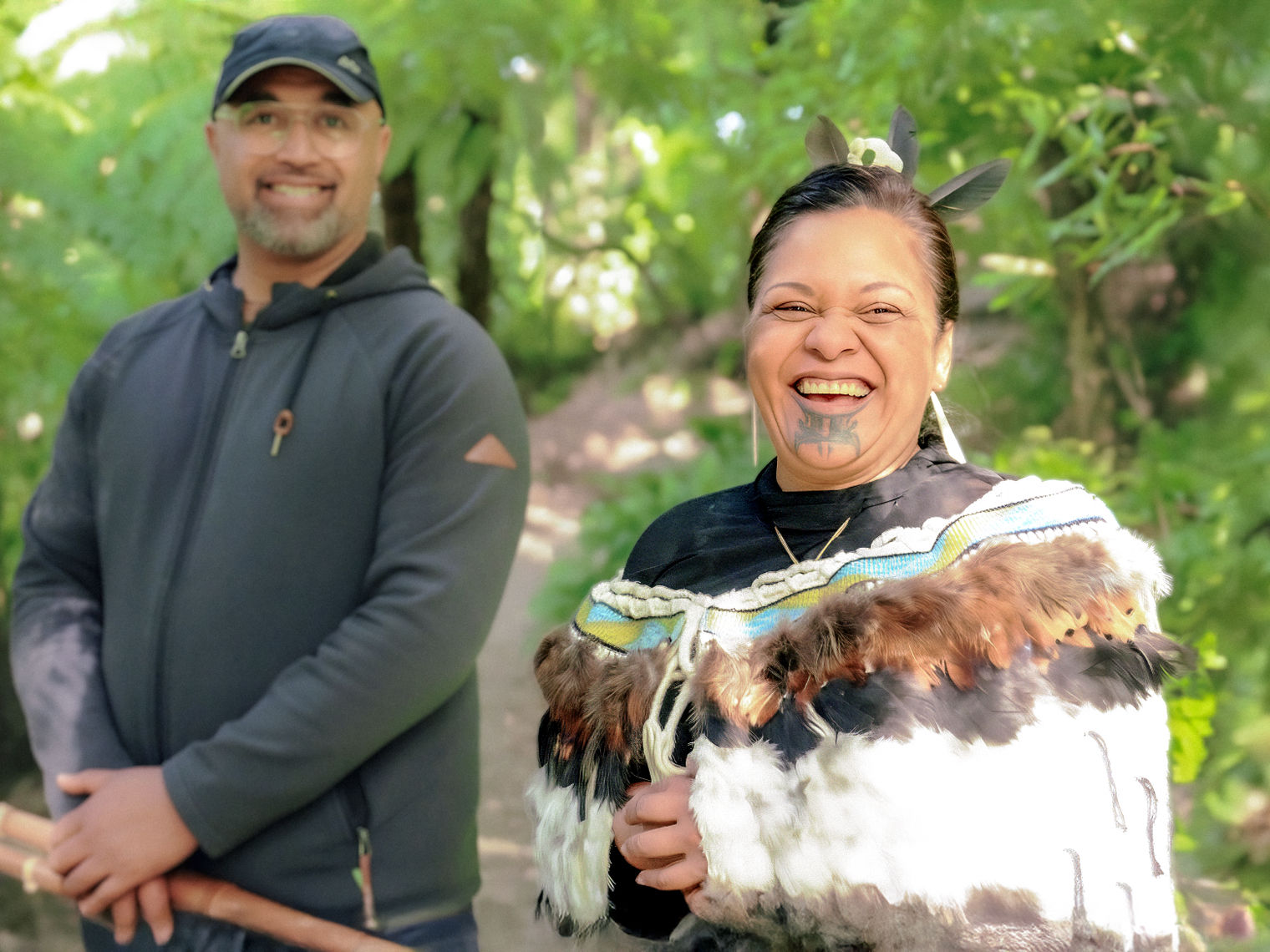
Māori place names are far more than curiosities. Travelling with local Māori guides allows you to understand the stories, language and connection to whenua, or land, behind them.
We also offer authentic cultural and history tours, including an experience where Māori descendants share the stories of an ancient fortified village, the arrival of European settlers and a significant local battle, giving you a deeper understanding of the area’s history and living culture.

5. You can be among the first people to see the sunrise in the world
On the east coast of the North Island, Gisborne is the first city in New Zealand to greet the morning sun. Further north, sacred Maunga Hikurangi is recognised as the first point on the New Zealand mainland to see the sunrise.
For Ngāti Porou, Maunga Hikurangi also has deep cultural and spiritual significance. We want you to experience not only the beauty of New Zealand’s landscapes but also the stories, history and cultural meaning that give those places their depth.

6. New Zealand has more sheep than people
Sheep have long been associated with the New Zealand landscape, and although their numbers have fallen considerably over the decades, there are still more sheep than people.
For every person living in New Zealand, there are at least 10 sheep!
7. Bats are New Zealand’s only native land mammals
Before people arrived, New Zealand developed for millions of years without native land mammals apart from bats. Instead, birds evolved to fill many of the roles mammals occupy elsewhere.
That unusual history helps explain why New Zealand has such distinctive birdlife, including flightless species such as the kiwi and takahē.
All the other mammals were introduced by Māoris and Europeans.

8. Central Otago has a fence covered in bras
Yes, really.
The Cardrona Bra Fence began rather mysteriously when bras started appearing on a rural fence around the turn of the millennium. It grew into an unusual roadside attraction and later became known as Bradrona, helping to raise money for breast cancer charities.
It is exactly the sort of wonderfully unexpected stop that can add extra personality to a New Zealand road trip.

9. Wellington is the southernmost capital in the entire world.
Sitting between Cook Strait and the hills at the southern end of the North Island, Wellington to locals as the 'Windy City'.
It may be a capital city, but it is compact enough to explore without feeling overwhelming. Stay for a few days and take the time to discover its neighbourhoods, independent cafés, waterfront and surrounding nature rather than simply passing through on the way to the ferry.

10. New Zealand was the last country on the planet to be inhabited by humans
New Zealand's recorded human history dates back only a few hundred years, beginning with the arrival of the Māori.
For a country with such an ancient landscape, New Zealand’s human history is relatively recent. Polynesian ancestors of Māori were the first people to settle Aotearoa, several centuries before Europeans arrived.
Understanding that history is an important part of understanding New Zealand today. Rather than treating Māori culture as another attraction on an itinerary, we recommend experiences where local communities and guides can share their own stories, traditions and relationship with the land.

Leave room for the unexpected
You can plan New Zealand’s major highlights before you leave, but some of the best discoveries are the ones you did not know to look for.
Travelling at a slower pace gives you time to stop in smaller towns, stay with local hosts and follow recommendations along the way. You might discover an unusual landmark, a favourite local café, a quiet walking trail or simply a story that makes you see a place differently.
Those moments may never appear on a list of New Zealand’s top attractions, but they are often what gives a journey its personality.

Frequently asked questions
Yes, New Zealand is worth visiting for its culture, wildlife, food, local characters and eccentric roadside stops as much as its scenery. The quirks often become the moments travellers remember most, especially when they are built into a route with enough time to stop, talk and explore.
For most travellers, we suggest at least 3 weeks in New Zealand, and 4 weeks is better if you want both islands at a comfortable pace. A good rule of thumb is to spend around 3 nights in key places so you have time for weather changes, wildlife trips and slower local discoveries.
Some of New Zealand’s most unusual sights include Baldwin Street in Dunedin, the Cardrona Bra Fence in Central Otago and the long-named hill near Porangahau. We usually recommend weaving these stops naturally into a self-drive route, rather than rushing across the country just to tick them off.