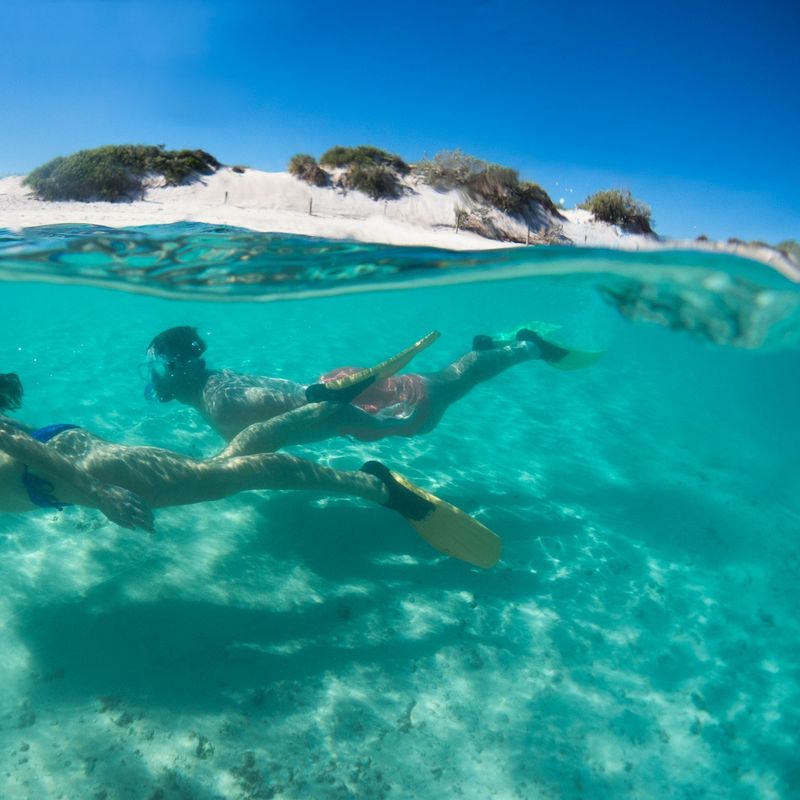
A campervan trip around Australia? Yes or no?
Thinking about exploring Australia by campervan? We look at what the experience is really like and why a hire car can often give you more freedom along the way.

Is a campervan really the best way to see Australia?
The idea of travelling Australia by campervan sounds wonderfully free: open roads, beautiful scenery and everything you need travelling with you. But after more than 25 years of creating holidays around Australia, we’ve found that the reality can be quite different.
We usually recommend exploring by hire car instead, staying two or three nights at carefully chosen small-scale accommodation along the way. You still have the freedom of a road trip, but with more comfort, more opportunities to meet local people and more time to actually enjoy each place.

How sustainable is a campervan trip around Australia?
Campervans can be a less efficient way to travel long distances, simply because they are heavier and generally use more fuel than a standard hire car. Choosing a car can reduce fuel use while still giving you the freedom to explore at your own pace.
It also allows you to stay in small-scale, locally owned accommodation along the way, so more of your holiday spend stays within the communities you visit.

Will a campervan give you the freedom you expect?
A campervan can actually restrict where you go. Rental conditions often limit travel on unsealed roads, while the size of the vehicle can make some routes and more remote places less practical.
Pick-up and drop-off points are also concentrated in Australia’s larger cities, which can shape your route around the vehicle rather than around the places you most want to experience.
Then there are the campsites themselves. You might picture yourself parking somewhere peaceful at the end of the day, only to find yourself surrounded by rows of other campervans. Travelling by car gives us a much wider choice of places to build into your route.

"I worked at Milford Sound for 9 months and every day we had to turn away 50 plus campervans, due to not making a reservation and lack of space."
— Vanessa, Content creator
How can you make more of your time in Australia?
With a campervan, part of each day can disappear into packing everything away, securing it for the road, shopping for supplies and setting everything up again when you arrive.
We prefer to give you two or three nights in most places. That means less time dealing with daily logistics and more time exploring, meeting your hosts or simply enjoying where you are.

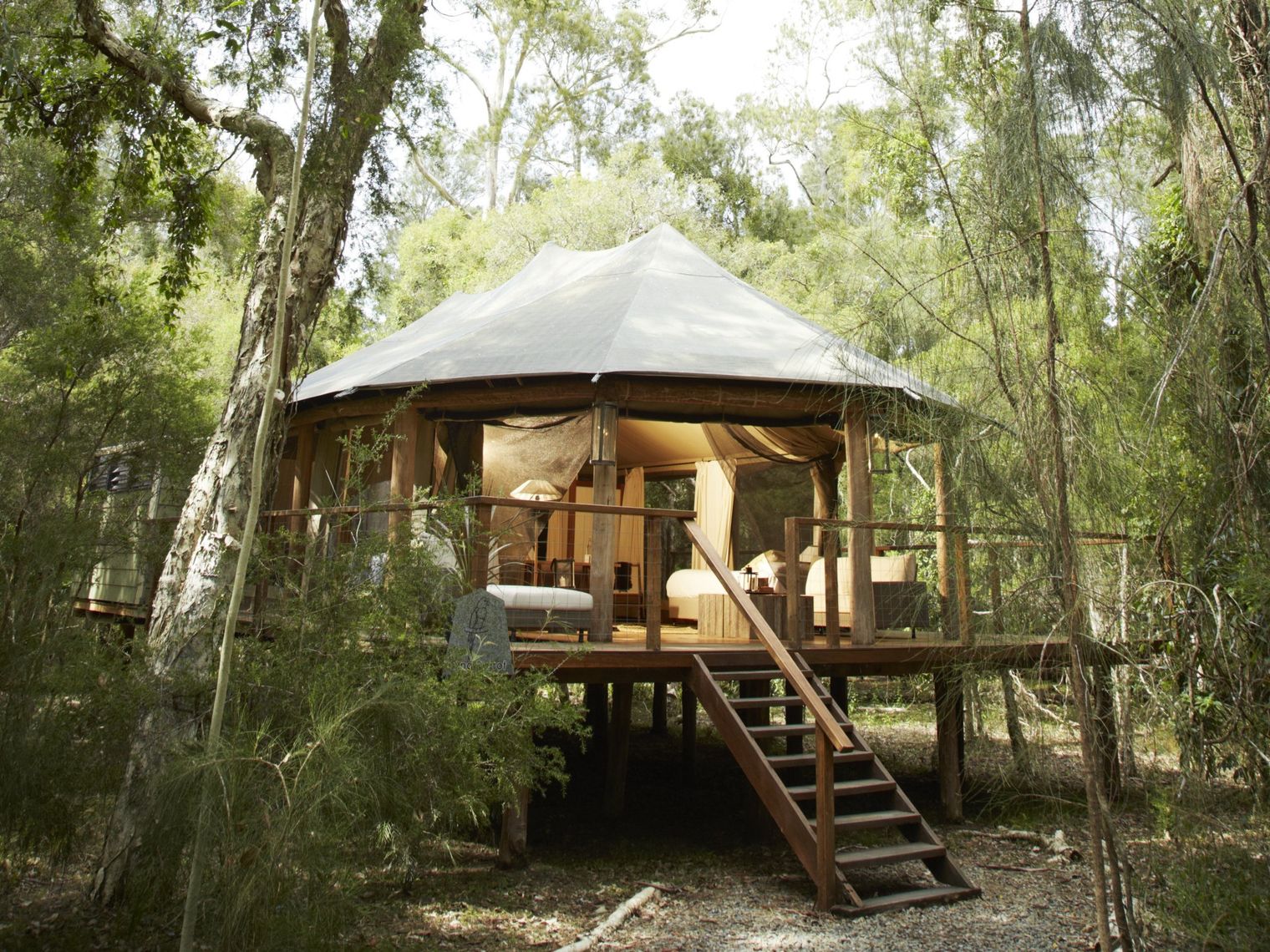
Travelling by car also opens the door to smaller, more distinctive places to stay. Along the Great Ocean Road, for example, we work with a family-run property tucked among landscaped gardens, where you can stay in an unusual boomerang-shaped cottage and enjoy a much stronger sense of place than you would on a busy campsite.
Its location makes it easy to slow down and explore the surrounding coast, rainforest and waterfalls, with walking trails, wildlife and some of the Great Ocean Road’s best-known natural landmarks all within reach. In the evening, you can return to the peace of your cottage, step outside and enjoy the night sky rather than packing up for the next campsite.

What gives you better value on an Australia road trip?
A campervan can look cost-effective at first, but the extras quickly add up. Insurance, fuel, campsite fees and one-way charges can all push the overall cost higher than expected.
A hire car and carefully selected accommodation can often offer better value, particularly when you consider the extra comfort and the wider choice of places you can stay. It also means we can choose accommodation because it adds something to your holiday, rather than simply because there is somewhere to park for the night.
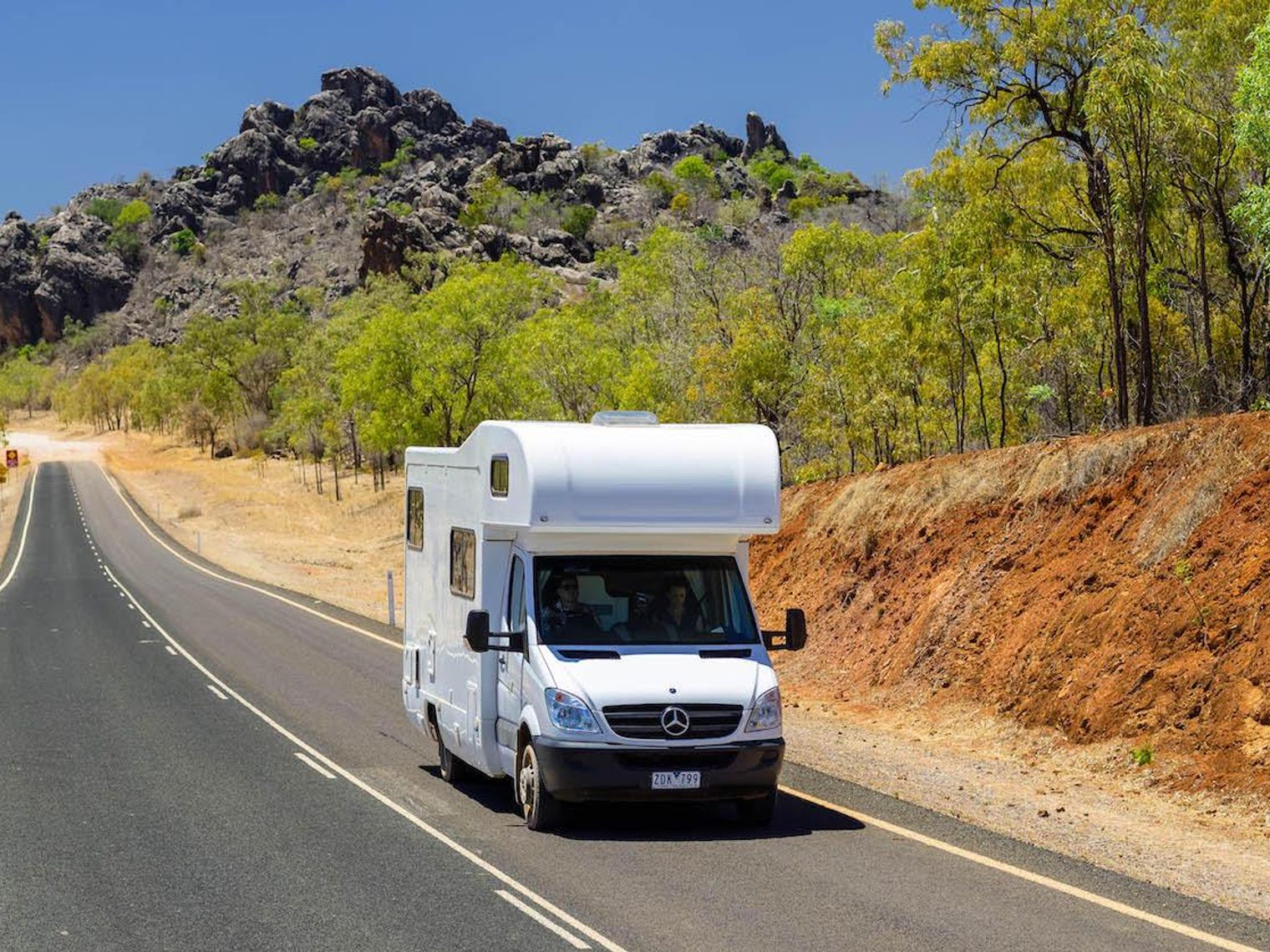
It becomes difficult to experience a multi-day activity
A campervan can make longer activities more complicated, particularly if you need to leave it somewhere while you are away for several days.
Take the Whitsundays. Spending a few days sailing between the islands can become one of the highlights of an Australia holiday, but your campervan still needs to be parked somewhere while you are on the water.
When we plan your journey, we fit your transport, stays and experiences together. That means we can build a multi-day sailing trip naturally into your route rather than leaving you to work out what to do with your vehicle.

Stay overnight on the Great Barrier Reef
One experience we particularly like is spending a night out on the Great Barrier Reef. Travel by boat to a floating platform, where you can snorkel among colourful fish and turtles during the day before settling into an underwater suite for the night.
Once the day visitors have left, you can watch the light fade over the reef, look for turtles around the platform and, on a clear night, spot the Southern Cross overhead.

So, should you travel around Australia by campervan?
For us, the answer is usually no. A hire car gives you the freedom to reach quieter places, while our hand-picked small-scale stays give you more comfort, local character and insider knowledge along the way.
We usually build in two or three nights per stop, giving you time to settle in and experience each place properly. Because every journey is tailor-made, we can fit the route around the experiences that matter to you, rather than fitting your holiday around your vehicle.
Frequently asked questions
For most travellers, we recommend seeing Australia by hire car rather than campervan. A car is usually more comfortable, easier to drive, more fuel-efficient and better suited to reaching small-scale accommodation, local hosts and scenic places beyond the main city-to-city routes.
Not always. Once you add insurance, campsite fees, fuel, one-way charges and secure parking during multi-day activities, a campervan can become more expensive than expected. In our experience, a hire car with carefully chosen stays often gives better comfort and value.
No, campervans are often restricted by insurance rules, especially on gravel or unsealed roads. That can limit access to remote beaches, national parks, Outback routes and smaller scenic detours. A suitable hire car gives more flexibility when your route includes lesser-known places.