Tasmania
Tasmania is nature’s open-air playground, with national parks, wild beaches, glistening lakes, rainforests, vineyards, unique wildlife and some of the world’s best hiking trails.

Where should you visit in Tasmania?
Tasmania is nature’s open-air playground, home to 19 national parks, 1,617 beaches, 334 islands, glistening lakes, rainforests, vineyards, the iconic Tasmanian devil and some of the world’s best hiking trails.
The 26th largest island in the world, Tasmania is often compared to New Zealand’s South Island for its natural beauty, yet it has a distinct character all of its own. Covering around 26,445 square miles, it is filled with unique landscapes and memorable places to explore.
A full lap of Tasmania covers around 932 miles, revealing coastal views, wilderness areas, small towns and hidden gems along the way.

Explore Hobart and its surroundings
Hobart
Hobart is a place rich in history, heritage and charm. Tasmania’s capital and Australia’s second-oldest city, this inviting destination is home to around 40% of Tasmania’s population.
Set on the Derwent River at the foot of Mount Wellington, which rises to 4,170 feet, Hobart is a small city with a dynamic food scene and plenty of outdoor experiences. It is also renowned for MONA, the largest privately funded museum in the Southern Hemisphere, known for its bold and fascinating art collection.

The perfect mix of culture, creativity, and history
For local weekend markets, visit Salamanca Place. It is also a fantastic place to wander around, and if you like a view over the city and harbour, conquer Mount Wellington.
Visit whisky bars, taste craft beer or take a wander through Hobart’s waterfront and try local produce at the many restaurants on offer.

Howden
Slow down and soak up the laid-back vibes in Howden. This small and charming place is a suburb in the capital of Hobart. Lying on the banks of Stinkpot Bay, it is best known for its green surroundings.
Discover deserted beaches and fairy penguins
You can find a beach a five-minute walk from the centre, a place where you can admire the boats in the bay. The beaches are often deserted by people, but penguins and crabs find their way over the beach at certain times of the year.
Admire Tasmania's unique range of birds
Besides Fairy penguins and crabs, there is a good chance that you will encounter a variety of unique birds in the vicinity of Howden. The Peter Murrell Conservation Area, a ten-minute drive from Howden, is also a place where you can go birdwatching.

The Southern Lights
Did you know Tasmania has a light show similar to the northern lights in Europe? If you would like to see a spectacle of nature, the southern lights are sure to impress! Plan your trip for the month of September as this is when the lights are the most visible and intense.
The Tasmanian winter is another good time to see this spectacular array of colours. Nearby Hobart, you can find many good spots to view these vibrant lights.

Port Arthur
Around 60 miles south-east of Hobart, you will find Port Arthur, a quaint town and an ideal base for exploring Australia’s convict history. Step back in time at the World Heritage-listed Port Arthur Historic Site.
Here, you can discover 11 remnant penal sites built by the British Empire, or explore the area’s natural attractions, including dramatic coastal landscapes and towering cliffs.

Mount Field National Park
Uncover a beautiful and diverse landscape around 40 miles north-west of Hobart. Mount Field National Park is Tasmania’s first national park and is renowned for its unique wildlife, walking trails and spectacular views.
An ideal day trip from Hobart, this part of Tasmania is rich in nature, with eucalyptus forests, fern-filled landscapes and some of the world’s tallest trees.

Tasman Peninsula
Surrounded by soaring cliffs, stunning coastlines, national parks, blowholes and caves, the Tasman Peninsula is one of Tasmania’s most dramatic regions. Located around 47 miles south-east of Hobart and covering approximately 255 square miles, this part of the island boasts some of the best walking tracks in the state.
An easy drive from Hobart, there is plenty to discover here, including Pirates Bay Lookout, Cape Pillar and Eaglehawk Neck.

South East Tasmania
South East Tasmania is known for its wildlife, spectacular landscapes, and rich history. The region consists of three parts: the Kettering and Cygnet peninsulas, the idyllic Bruny Island, and the coastline along the Huon Highway.
You will find several nature parks where you can see the famous Tasmanian Devil. On Bruny Island, you can spot dolphins, penguins, and white wallabies.

Discover the remote and rugged wilderness
In the Hartz Mountains National Park, you can discover unspoilt wilderness, with glacial lakes, swamps, rugged mountain peaks and dense rainforest. The park is located around 50 miles from Hobart, Tasmania’s capital and Australia’s second-oldest city.
Enjoy the assortment of locally grown produce
The hills are covered with orchards, and cherries, apricots, and excellent wines are produced here. The area also has several special caves, possibly the most astounding caves in Australia.

Bicheno
Discover pure coastal bliss in Bicheno, a seaside village on Tasmania’s east coast, around 115 miles north-east of Hobart. Watch in awe as Bicheno’s resident little penguins return after a day of fishing at sea, waddling up the beach to their burrows in one of Tasmania’s most memorable wildlife experiences.
Taste some of the best fish and chips in Australia
Visit Bicheno, a place renowned for its delicious fresh seafood. Sample the day’s catch at The Gulch, a local fish and chip takeaway that has won awards for serving some of the best fish and chips in Australia. This local business uses only by-catch, making its food a more sustainable choice.
Enjoy one of nature's greatest shows
The Blowhole at Bicheno is arguably the best in Tasmania, especially when there is swell from the Tasman Sea. Whalers Hill is approximately a ten-minute walk to the peak, a perfect place to have a picnic.

Bruny Island
Discover a wonderful variety of wildlife on Bruny Island, including wallabies, pademelons, quolls, potoroos and unique birdlife. Located off the south-eastern coast of Tasmania, this natural gem is a paradise for nature lovers.
Covering around 140 square miles, Bruny Island can be easily reached by ferry from Kettering. Enjoy views across the Tasman Sea from Bruny Island Lighthouse, or discover the island’s rugged coastline by boat.

Where the rough ocean meets the calm waters
Make sure you stop at the 'Neck', this is where north and south Bruny are connected by a thin stretch of land. On one side, there is a quiet channel, and on the other side is the rough ocean. South Bruny is more populated than the north, and in Adventure Bay, you can find a small grocery store and a few cosy cafes.
An assortment of activities to indulge in
Take on the Fluted Cape Walk, a 3.7-mile hike that takes around three hours, or enjoy a scenic flight over the area for a different perspective.
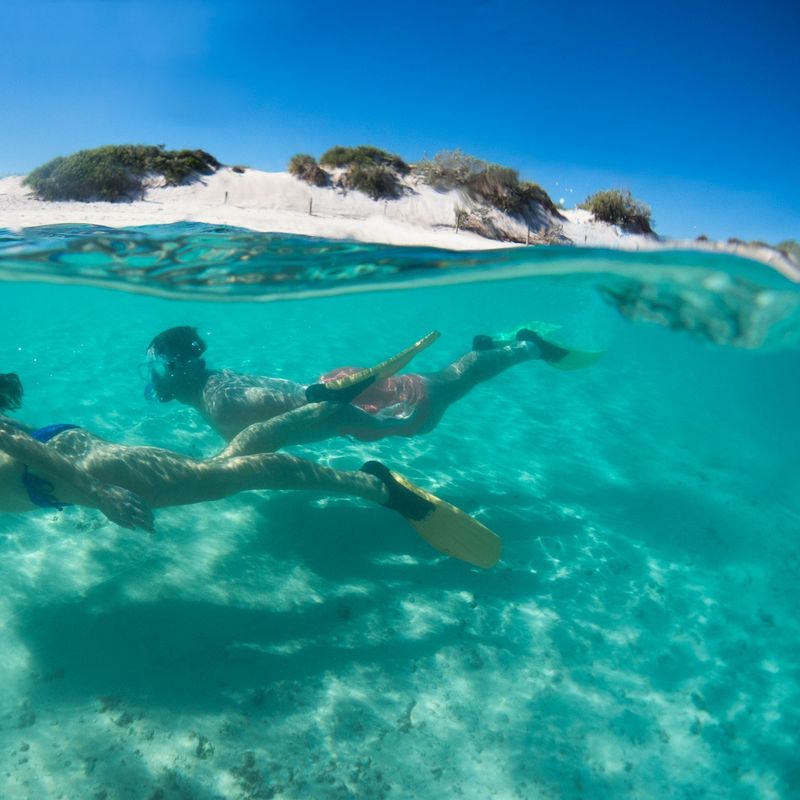
In summer, you can go swimming, snorkelling, surfing, kayaking or boating. Explore the island by bike, or join a guided tour to learn more about this remarkable part of Tasmania.

North Tasmania
Launceston
Launceston, Tasmania’s second-largest city, is a funky place bursting with little cafes and local art. A vibrant hub for food, wine, nature, and culture. A place where the country meets the city with one of the best-preserved early cityscapes in Australia.
Here, you can find elegant Colonial and Victorian architecture and century-old parks. Visit the local harvest market, which is held every Saturday, showcasing the region’s finest locally grown produce.

Are you a nature and wine lover?
A short stroll from the city, Cataract Gorge offers a beautiful slice of wilderness close to Launceston. The city is also within easy reach of the Tamar Valley, a renowned wine region set along the Tamar River.
Pinot Noir, Riesling and Chardonnay all grow well here. Spend time visiting small boutique wineries, following the wine trail and enjoying tastings along the way.

Little Blue Lake
Get off the beaten track and discover one of Tasmania’s most beautiful places, Little Blue Lake. Located in the north-east, around 76 miles from Launceston and close to the town of Gladstone, it is known for its striking colour and unusual setting.
Admire the rich blue water, white sandy edges and surrounding gum trees. Pack a picnic and enjoy the tranquillity of this distinctive landscape.

Cradle Mountain
Forming the northern end of Cradle Mountain, Lake St Clair National Park, it is part of the Tasmanian Wilderness World Heritage Area. It is one of Tasmania’s most renowned natural environments. A wild landscape featuring ancient rainforest, alpine heathlands, icy streams cascading out of mountains, glacial lakes, and a wealth of wildlife.
A world filled with wonderful wildlife
A place where you can spot possums, pademelons, wallabies, and wombats. If you are lucky, maybe even the rare Tasmanian Devil. Visit the sanctuary in Cradle Mountain and learn more about these fascinating creatures! Cradle is the starting point for the world-famous Overland Track, a sensational six-day trek. There is something in Cradle Mountain that captivates everyone.

Lake St Clair
A paradise for nature lovers and hikers, Lake St Clair lies at the southern end of Cradle Mountain-Lake St Clair National Park. This natural wonder is Australia’s deepest lake, carved by glacial activity over millions of years.
The Aboriginal people of the area called the lake Leeawuleena, meaning “sleeping water”. This region is one of the world’s great wilderness areas and forms part of the Tasmanian Wilderness World Heritage Area.
Nature at its best
Here, you will find vast, unspoilt nature, with valleys, forests, rivers, lakes and waterfalls. The region is also home to Tasmania’s highest peak, Mount Ossa, which rises to 5,305 feet.
With pine and eucalyptus forests, rainforest, open grasslands and dramatic mountain scenery, this part of Tasmania is a paradise for nature lovers.

Central Plateau
Discover a region that covers 12% of Tasmania’s landmass, with sub-alpine moorlands, countless lakes, Walls of Jerusalem National Park and some of the best trout fishing in the Southern Hemisphere.
The Central Highlands feature World Heritage wilderness and are a haven for fishing enthusiasts. Alongside its natural beauty, you can also enjoy local whisky distilleries and fresh Tasmanian produce.

Devonport
Where the Bass Strait meets the Mersey River on Tasmania’s north coast, you will find Devonport. Located around 62 miles north-west of Launceston, this town is known as the ‘Gateway to Tasmania’, as it is the arrival and departure point for the Spirit of Tasmania ferry from Melbourne.
Highlights include Mersey Bluff, Don River Railway, the Bass Strait Maritime Centre and Home Hill. Nearby, you can also visit the Tasmanian Arboretum, or cycle along the coastal trail to The Bluff, where you can see Aboriginal rock carvings.

North West Tasmania
Northern Tasmania is one of the island’s natural highlights, with wild landscapes, national parks and charming small towns along its coastal route. Set directly on the coast, Burnie is a port city where the craft of papermaking comes to life.
Here, you can see how paper is made and dine in restaurants serving local specialities. The north is also known for its fresh local produce, with vegetable fields creating a patchwork across the landscape.

A nature lover and foodies haven
During the Cradle To Coast Tasting Trail, you will discover and taste the best of Tasmania. You can also choose to drive along the spectacular coastline.
The coastal routes take you along Penguin, a picturesque seaside resort where penguins walk down the street. Penguins are also found at Ulverstone, this town lies at the mouth of the Leven River. It is known for its abundant birdlife and picnic spots.

East Coast of Tasmania
Postcard-perfect, Tasmania’s East Coast is a beautiful region known for its natural beauty. Stretching for around 137 miles along the Great Eastern Drive, it offers plenty to see and do.
Explore quiet beaches, hinterland landscapes, charming towns and much more. From St Helens in the north to Orford in the south, you could spend days discovering this wonderful part of Tasmania.

Coles Bay
Coles Bay is a pretty seaside town and an ideal base for angling opportunities, as well as the gateway to Freycinet National Park. Located around 107 miles south-east of Launceston, it offers plenty to see and do.
Relax on quiet beaches, go fishing, kayaking or sailing, or try quad biking. Food and wine lovers can also join a wine tour and sample a range of local gourmet produce.

Maria Island
With the perfect blend of history, wildlife and striking landscapes, Maria Island is a special place off Tasmania’s east coast. You can reach the island by a 30-minute ferry ride from the small town of Triabunna.
Covering around 45 square miles, the island is home to a World Heritage-listed Australian Convict Site, the Painted Cliffs and long sandy beaches.

Freycinet
Located on Tasmania’s east coast, around 78 miles north-east of Hobart, Freycinet is a natural wonderland of white-sand beaches, rare flora and fauna, secluded bays and rich birdlife. Take a short walk to iconic Wineglass Bay or visit The Hazards, a striking range of pink granite peaks.
Wineglass Bay is world-renowned for its beauty
At Wineglass Bay, you will find a lookout that boasts one of Tasmania’s most photographed views. There are a variety of walking tracks to explore, suitable for all fitness levels.
Some trails lead to secluded bays, squeaky-clean beaches, and bird-filled lagoons. Or get closer to nature and discover the area from another vantage point in a kayak.

Picnic Island
Off the coast of Freycinet, with the pink granite peaks of The Hazards as your backdrop, Picnic Island is a place of fascinating history and abundant wildlife.
Look out for dolphins, whales, penguins and unique birdlife, or spend your days kayaking, hiking, swimming, fishing, or simply relaxing. For a truly exclusive experience, the island can be booked privately for up to 10 people.

Bay of Fires and St Helens
Dramatic landscapes, spectacular nature with forests, beaches, and an abundance of animal life. You'll find all of this in the Bay of Fires, the pristine coastal area on the edge of Mount William National Park.
Get active in nature
The area is renowned for its excellent walking trails. Take a stroll over sandy beaches, past secluded bays, and coves. Or get even closer to nature by kayaking down the Ansons River.
A playground for holidaymakers
The Bay of Fires has unique red rock formations that contrast brightly with the white sand and azure blue sea. The rusts owe their bright red colour to the formation of lichen. For shopping or a visit to an art gallery, you should go to St Helen's. This is the largest coastal town in the area and is also well-known for the oysters that grow here.

Binalong Bay
Arguably one of the prettiest towns in Tasmania, Binalong Bay is the perfect base for exploring the spectacular Bay of Fires. Snorkel in natural rock pools, go kayaking, hiking or mountain biking, and enjoy the region’s endless outdoor opportunities.
Take a wander along the 1-mile stretch of beach, admiring the red rocks, clear green-blue water and bright skies. Keep an eye out for wildlife on Jeanneret Beach and Swimcart Beach.

West Coast
Tasmania's western coast is one of the most remote and arguably one of the most beautiful places in the world. The West Coast is invariably different from the East Coast; the nature is distinctly rugged, and the rainforest is untouched. The area has several small towns where you can still find fragments of the gold rush.
Choose from a variety of activities in the heart of nature
Corinna is a historic mining village on the banks of the Pieman River, surrounded by unspoilt ancient rainforest. Here, you will find several routes for kayaking, hiking, boating, fishing and birdwatching.
Take a cruise on a historic boat along the Pieman River, or explore the nearby Gordon River. Strahan and Macquarie Harbour are also rich in history, including Sarah Island, a former convict settlement.

Strahan
Discover one of Tasmania's harbourside villages, Strahan. This gem sits on the edge of the Tasmanian Wilderness World Heritage area and features a rich historical past. An ideal base to explore the surrounding nature, there are plenty of outdoor adventures on offer.
Take a trip to the nearby Sarah Island or take a cruise and discover the untouched wilderness of the West Coast. Be sure to try the local seafood and world-class Pinot Noirs and sparkling wines.

Let's design your holiday together
We'll take the time to get to know you to match your fully bespoke holiday with your pace, your interests, and anything you desire. Combined with first-hand, local knowledge, you'll receive a mapped-out itinerary from us, but the process isn't done until you are 100% satisfied.
We take care of every detail, so you can focus on relaxing, rejuvenating and reconnecting with yourself and the world around you. Get in touch to get started now.