Discover the Stuart Highway
Get ready for a one-of-a-kind road trip through the heart of Australia. The Explorer Highway takes you across vast, open landscapes with quirky stops, friendly locals, fascinating history and natural wonders along the way, leaving memories to last!

Where is the Stuart Highway?
The Stuart Highway is one of Australia’s major highways and one of its longest roads. It stretches 2,834 kilometres across the heart of the continent, from Port Augusta in South Australia, through Central Australia, to Darwin in the Northern Territory.
Travelling from south to north is the most popular route. Many people journey from Adelaide, 300 kilometres south of Port Augusta, to Uluru-Kata Tjuta National Park. Further north, the road takes you from the arid desert to the lush tropics of the Top End.

Welcome to the Stuart Highway
The highway is named in honour of explorer John McDouall Stuart. In 1862, he became the first man to successfully cross Australia from south to north and make it back alive. Stuart’s journey remains one of the most incredible achievements in the history of exploration.

Follow in the footsteps of John McDouall Stuart
He travelled on foot for 2,415 kilometres between Port Augusta and the Katherine River in the far north, without a permanent source of running water. His expedition took nine months to travel north and a further five months to return to Adelaide.
Approximately 150 years later, even driving along the paved road that roughly follows his route feels like an epic challenge and is one of Australia’s most remarkable roads.

Home to the legendary Old Ghan Train route
Following a similar route to the Stuart Highway is the Old Ghan railway line. On 25 November 1980, the Old Ghan train stopped running, marking the end of a significant chapter in South Australia's and the Northern Territory’s railway history.
Today, you can visit the Old Ghan Heritage Railway and Museum in Alice Springs, or stop at key sights along the Old Ghan Railway Heritage Trail to soak up the history along the way.

The Australian Overland Telegraph Line
This unique route was also used to establish the Overland Telegraph Line, providing a vital connection between the Outback and the wider world. You can visit the Tennant Creek Telegraph Station, 500 kilometres north of Alice Springs.
Situated along the Stuart Highway, this country town became famous as one of Australia’s last gold rush sites during the 1930s.

The Royal Flying Doctors
Today, Flying Doctors even use some parts of the Stuart Highway as a runway if they have to land nearby for an emergency. Every day, the Royal Flying Doctor Service helps around 100 patients in Central Australia.
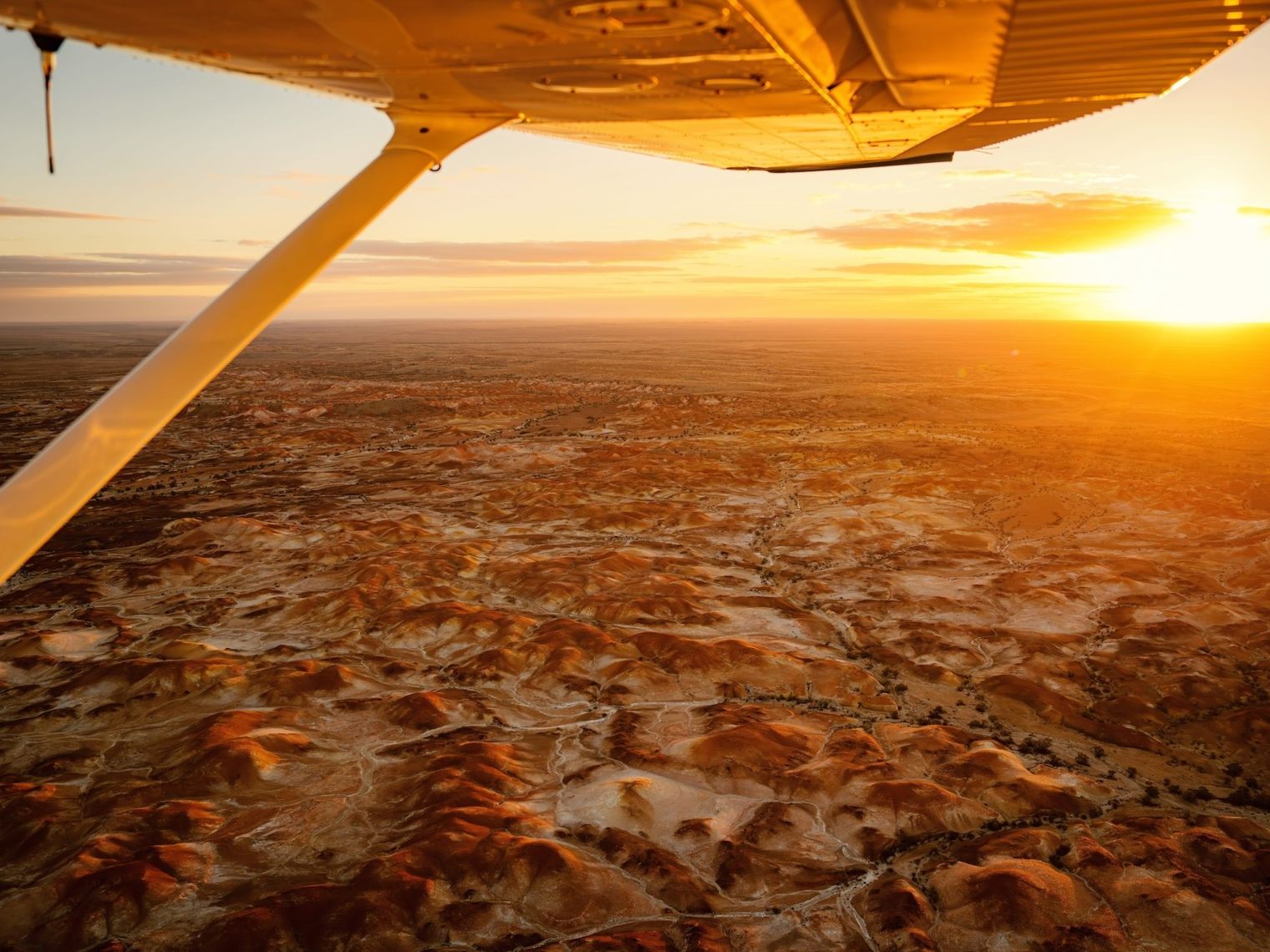
Port Augusta to Coober Pedy - 540 kilometres
Today, the Stuart Highway begins in Port Augusta, 305 kilometres north of Adelaide, with routes via the spectacular Flinders Ranges or the vineyards of the Clare Valley.
Highlights
Kati Thanda - Lake Eyre National Park
Lake Eyre
Pimba
Woomera
William Creek
Coober Pedy

Pimba
Discover Pimba, the first settlement along the Stuart Highway. It was established as a workers’ camp for the Transcontinental Railway in the early 20th century.
Today, travellers aboard The Ghan or Indian Pacific can stop here on request. One of the nearby highlights is the scenic Salt Lake Island Lagoon, 15 kilometres south of Pimba.

Travel along the route known as the Explorers Way
It is also the gateway to Woomera, Andamooka and Roxby Downs. On Borefield Road, you can travel all the way through the Oodnadatta Track from Roxby Downs on a well-maintained sealed road.
Andamooka is renowned for its high-quality crystal-seam opal, opalised fossils, and stargazing. Approximately 50 kilometres past Pimba, keep an eye out for the famous Lake Hart lookout and admire one of South Australia’s salt lakes.
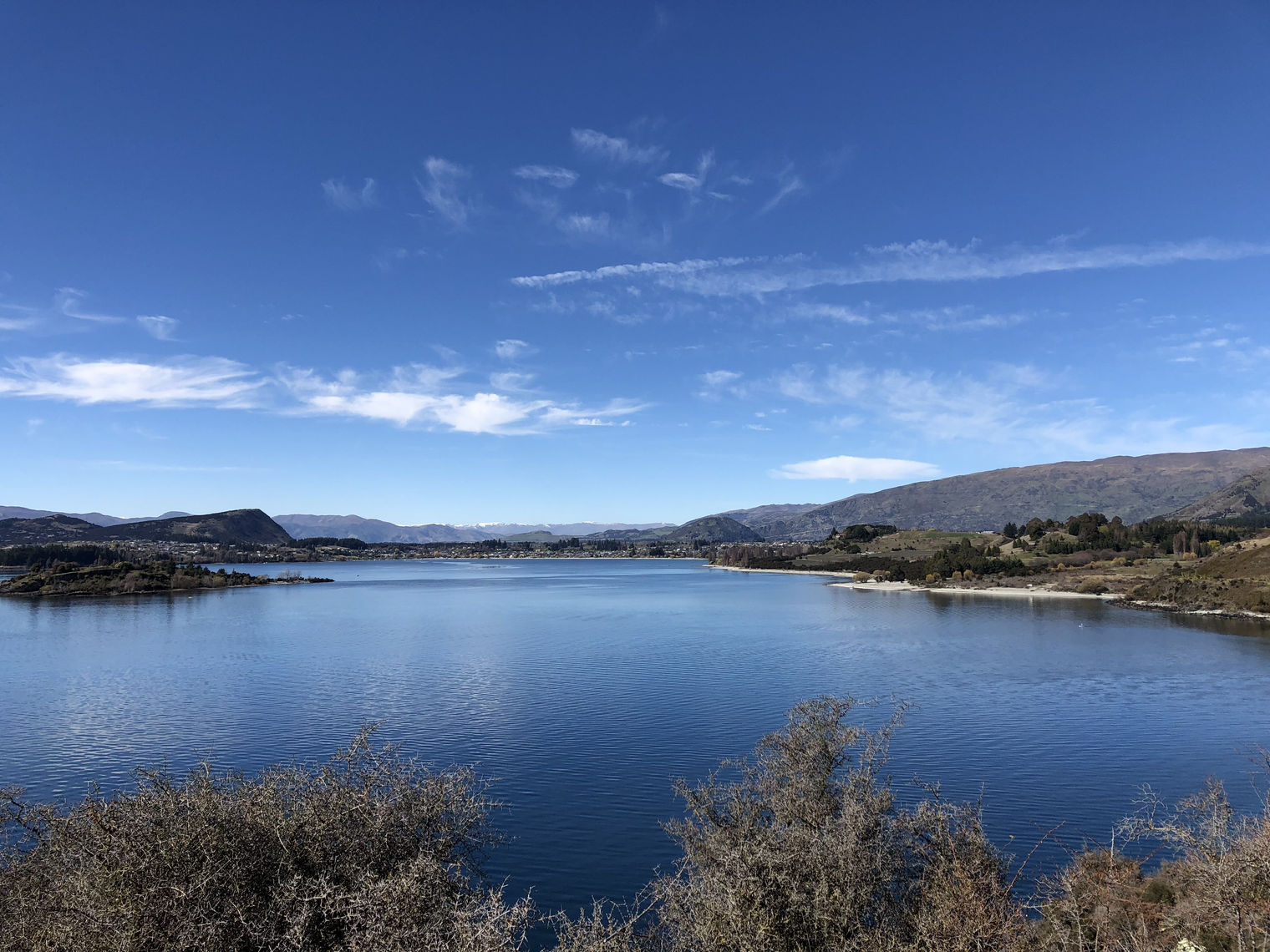
Woomera
Approximately 181 kilometres north of Port Augusta and 7 kilometres from Pimba lies Woomera.
Established as a military town in 1947, the vast land surrounding it — including the stretch crossed by the Stuart Highway — is still used for weapons testing and space research by the Australian government and private companies.
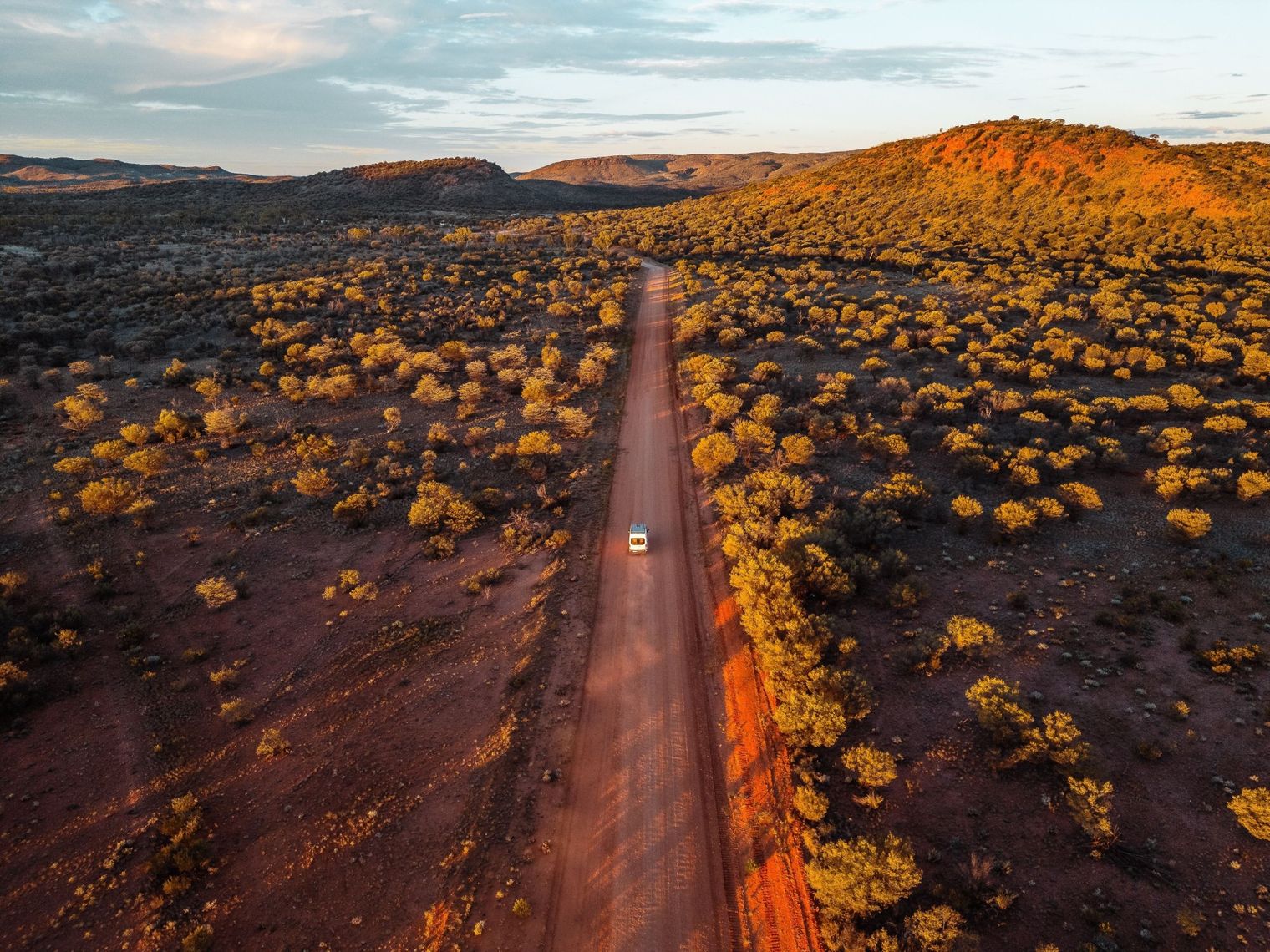
Glendambo
Located 592 kilometres north of Adelaide, Glendambo is an important stop along the Stuart Highway. It is the last place with facilities before the 255-kilometre drive to Coober Pedy. Home to just 30 people, it has a petrol station, caravan park, hotel, restaurant and general store.

Coober Pedy
Uncover an Australian town filled with quirkiness in the sun-baked outback of South Australia. Renowned for being the opal capital, it is estimated that 70% of the world’s opals come from Coober Pedy.
With the majority of the town living underground, this unique place is a must-visit during your time on the Stuart Highway. Be sure to stop by the Umoona Opal Mine and learn more about this fascinating part of the world and the opals found here.

Cadney Homestead
Approximately 150 kilometres north of Coober Pedy, you will find the Cadney Homestead Roadhouse. The gateway to the Painted Desert offers a great place to spend the night after a long day of driving.

Get ‘off the grid’ on the OODNADATTA TRACK
Would you like to feel like a pioneer? Take a detour from the highway and conquer the Oodnadatta Track. Used for centuries by the Indigenous people of Australia, this is the original road John Stuart took and the route of the Old Ghan Railway.
Although a 4WD is recommended, it’s one of the easiest outback tracks to drive, with solid gravel roads and a lot of things to see. You can enter the Oodnadatta Track from Marla, 235 kilometres north of Coober Pedy on the Stuart Highway.

Coober Pedy to Alice Springs - 685 kilometres
Leaving Coober Pedy, the Stuart Highway takes you deeper into the outback, past remote roadhouses and red desert landscapes before reaching Alice Springs, the gateway to Central Australia.
Highlights
Kanku-Breakaways Conservation Park
The Dog Fence
Marla
Rainbow Valley Conservation Reserve
Alice Springs

Alice Springs
Located halfway between Adelaide and Darwin, is the gateway to the Red Centre of Australia. Alice Springs is the biggest town on the route and is located approximately 450 kilometres from the iconic Uluru-Kata Tjuta National Park.
Discover red sand deserts, tropical rainforests, impressive rock formations, deep ravines, and waterfalls.

Alice Springs to Tennant Creek - 504 kilometres
Leaving Alice Springs, the Stuart Highway heads north past historic roadhouses, quirky outback stops and Karlu Karlu before reaching Tennant Creek.
Highlights
Larapinta Trail
Barkly Tablelands
Karlu Karlu / Devils Marbles Conservation Reserve
Tennant Creek Telegraph Station Historical Reserve

Barkly Tablelands
The Barkly Tableland covers 283,648 square kilometres, stretching from the eastern part of the Northern Territory to western Queensland. Featuring a rolling plain of grassland and some of the best beef cattle grazing country in Australia.
With the lowest population of any region in the Northern Territory, most people live in the main towns of Tennant Creek and Renner Springs.

Tennant Creek
Located approximately 1000 kilometres south of Darwin and 500 kilometres north of Alice Springs is Tennant Creek. Here, you can visit the Tennant Creek Telegraph Station Historical Reserve. The traditional landowners of this area are the Aboriginal Warumungu people.
Local tip: Approximately 225 kilometres south of Tennant Creek is the Barrow Creek Hotel. An ideal spot to stop and revive!

Tennant Creek to Katherine - 673 kilometres
From Tennant Creek, the Stuart Highway heads north through cattle country, past outback pubs, historic townships and thermal springs before reaching tropical Katherine.
Highlights
Newcastle Waters Historic Township
Daly Waters Pub
Mataranka Thermal Pool
Bitter Springs
Katherine / Nitmiluk National Park

Katherine
Katherine is located 320 kilometres south-east of Darwin, on the banks of the Katherine River. It offers the perfect blend of outback landscapes and tropical scenery.
Nearby, Katherine Gorge sits within Nitmiluk National Park — a dramatic system of canyons carved by the Katherine River over thousands of years.

Katherine to Darwin - 343 kilometres
From Katherine, the Stuart Highway continues north through lush Top End landscapes, with easy detours to waterfalls, national parks and swimming holes before reaching tropical Darwin.
Highlights
Edith Falls / Leliyn
Pine Creek
Kakadu National Park
Litchfield National Park
Darwin

Kakadu National Park
Take a detour off the Stuart Highway from Pine Creek and explore Australia’s largest national park. Covering an area of over 20,000 square kilometres, Kakadu National Park is on the UNESCO World Heritage List.
Darwin - your final destination!
Welcome to the gateway of the Top End of Australia. A vibrant and friendly destination with numerous attractions and natural wonders nearby. From here, you can explore Arnhem Land, the Tiwi Islands, Litchfield National Park and, of course, the must-visit Kakadu National Park.

Things you should know before you go
Before you leave on this great adventure, you need to ensure that you fully prepare your car for the trip. Here is some information to help you get ready for a trip of a lifetime.
What should I do if my car breaks down?
Stay with your car
Pull over safely and turn on your hazard lights
Call roadside assistance or emergency services
Do not walk off in search of help
Wait for assistance and conserve your energy
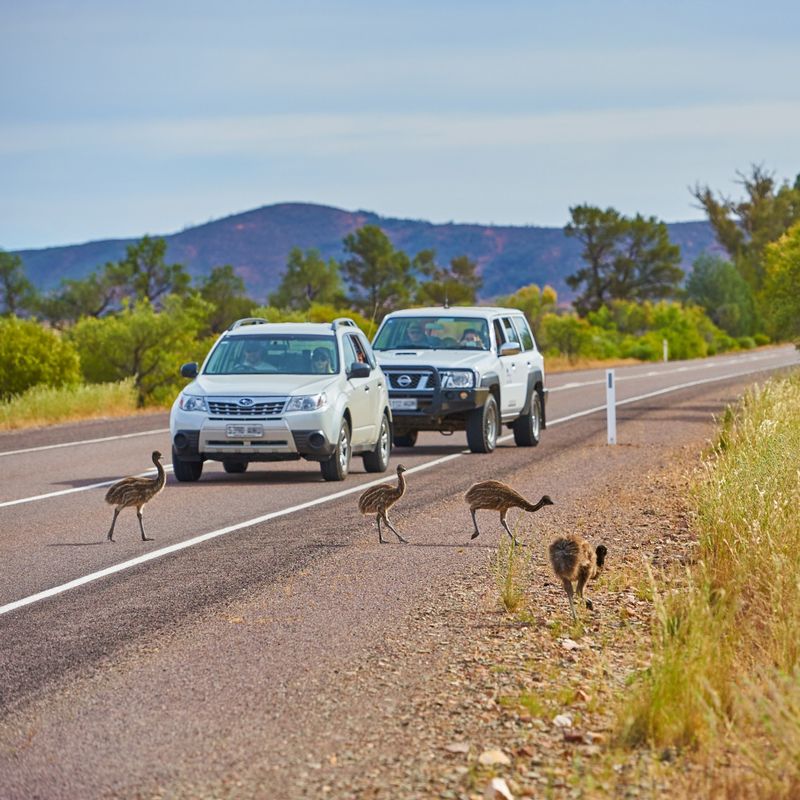
Look out for wildlife
Avoid driving at dusk or dawn, when animals are at their most active and may suddenly move onto the road — especially sheep, cattle and kangaroos. Drive slowly so you have more time to react. If you see any wildlife, reduce your speed and wait until it has moved on.

Watch out for road trains
Have you ever seen road trains? These massive trucks pull three or more trailers. They don’t move aside for you! This means if you come across one of these, give them some room! Take your time if you want to overtake them.

Take regular stops
The road is long, with many hours of driving between stops. Although the scenery is stunning, the view can feel similar for hundreds of kilometres, so regular breaks are essential. Stop often, stretch your legs, have a snack and switch drivers when possible.

When is the best travel time?
The best time to travel the Stuart Highway is from May to September, during the Australian winter. The weather is usually dry, with milder temperatures that make the journey more comfortable. You can take as long as you like to drive the route, but we recommend allowing at least two weeks, especially if you also want to visit Uluru.

Where to stay?
At TravelEssence, we focus on small-scale accommodation hand-selected by us. Run by friendly hosts who love to share local tips you won't find in a travel guide. A unique spot to experience the hidden gems of Australia and meet the locals. This is the greatest way to discover Australia.
A journey where your accommodation is an experience in itself
Your travel specialist will match you up with accommodation along the Stuart Highway route that suits your wants and needs. We have found the perfect places for you to have the absolute best Aussie road trip.