Best time to visit Australia
Australia’s seasons shape every journey. From sun-soaked summer escapes to peaceful winter getaways, each time of year reveals a different side of the country. Understanding the best time to visit Australia will help you make the most of your trip.
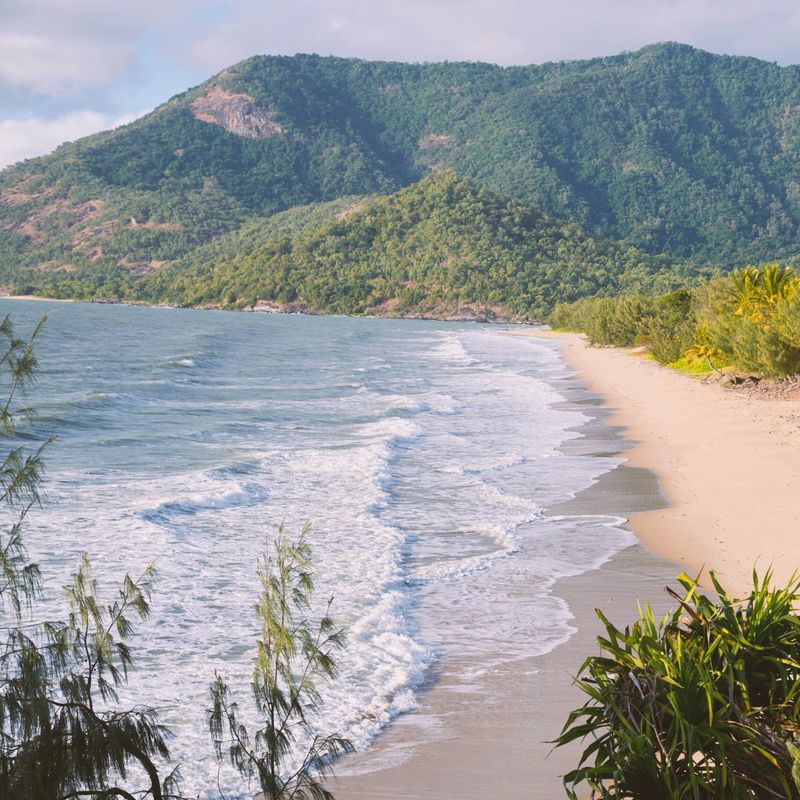
The best time to visit Australia
The weather in Australia varies dramatically between regions. The tropical north stays warm year-round, while the south enjoys cooler winters and pleasantly warm summers. Understanding the seasons of Australia will help you choose the right destinations and experiences to match your travel style.
Deciding when to visit Australia depends on the type of holiday you have in mind. The shoulder seasons of spring and autumn strike a perfect balance – pleasant temperatures, fewer crowds, and great value. If you’re planning your trip around major events or chasing specific weather, summer or winter could be the better fit.
When we design your tailor-made Australia itinerary, we’ll take the time to understand your preferences and recommend the seasons and regions that will make your journey truly unforgettable.
Weather and seasons in Australia
Australia's seasons at a glance:
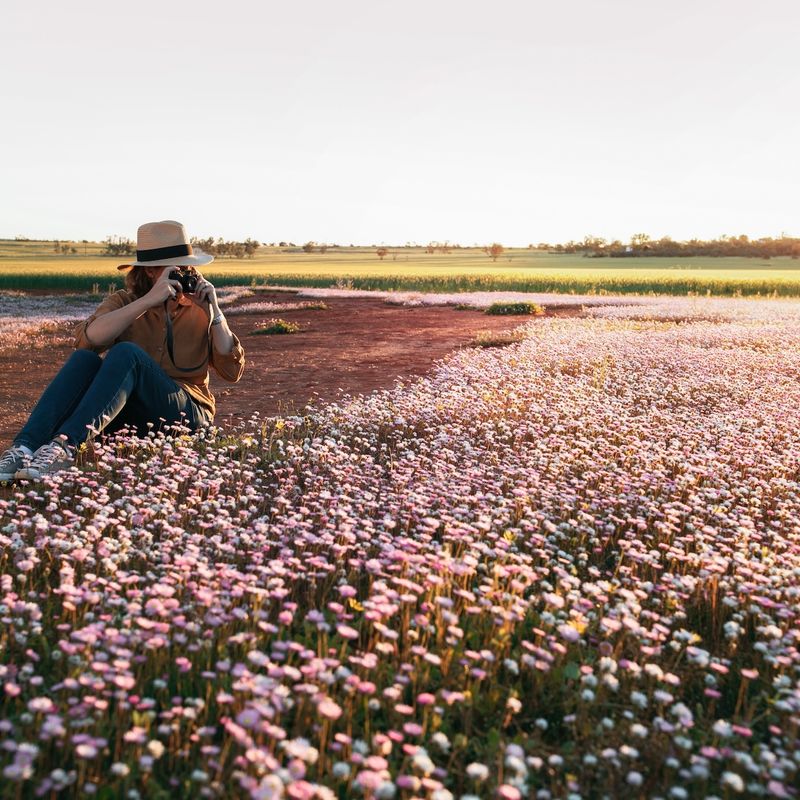
Spring (Sep-Nov): A colourful season of wildflowers, mild temperatures, and fewer crowds make spring ideal for exploring.
Summer (Dec-Feb): Long, sunny days perfect for beaches, festivals, and outdoor dining. This is Australia’s peak season.
Autumn (Mar-May): Enjoy crisp mornings, vibrant wine regions, relaxed road trips, and quieter walking trails.
Winter (Jun-Aug): Chase warm weather up north, explore the Outback in comfort, or head to the Alps for snowy adventures.
Spring in Australia
(September to November)
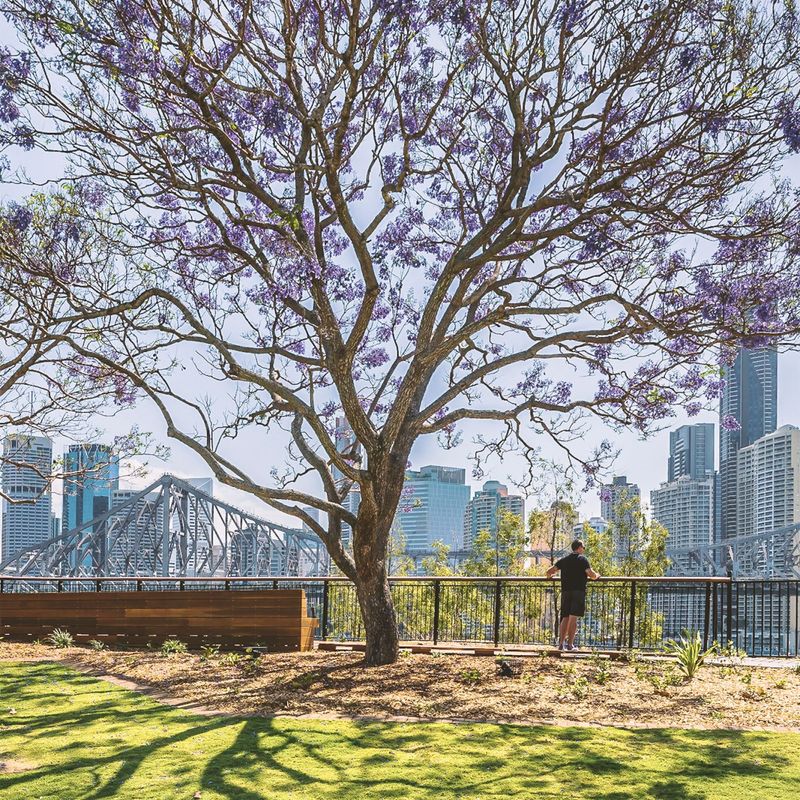
Spring brings mild temperatures, fewer visitors, and some of Australia’s most vibrant scenery, with wildflowers in bloom and lush green landscapes. It’s an excellent season for hiking, sightseeing, and exploring bustling local markets. Many regions also host colourful festivals, adding a rich cultural flavour to your travels.
Events and festivals
Royal Adelaide Show – late August to early September
Toowoomba Carnival of Flowers (Queensland) – September
Brisbane Festival – September
Perth Royal Show – late September to early October
Floriade (Canberra) – September to October
Regional highlights
Western Australia’s southwest dazzles with spectacular wildflower displays, while Sydney, Kangaroo Island, Canberra, and Margaret River are at their best in spring.
Average temperatures
Across much of the country, spring daytime temperatures range from 17°C to 23°C, with northern areas warmer and southern states milder. Central Australia enjoys warm, dry days, ideal for outdoor adventures.

Summer in Australia
(December to February)
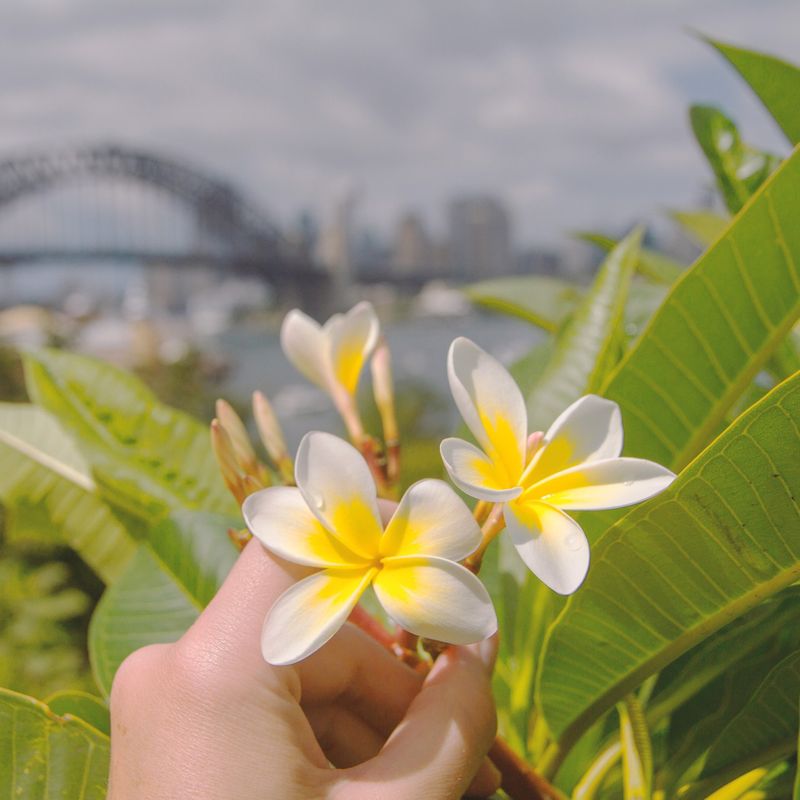
Summer means long, sun-filled days, warm evenings, and a lively energy across the country. It’s prime time for beach breaks, water sports, and alfresco dining. As it’s the peak tourist season, expect busier destinations and higher prices in popular coastal regions.
Events and festivals
Sydney New Year’s Eve – 31 December
Australia Day celebrations – 26 January
Australian Open (Melbourne) – January
Sydney Festival – January
Adelaide Fringe – February to March
Regional highlights
Tasmania’s cool breezes, Perth’s sunny beaches, Melbourne’s cultural scene, the Great Ocean Road, and the coastline of New South Wales all make excellent summer destinations.
Average temperatures
Daytime temperatures range from 17°C to 24°C in the south, while the north stays warmer, averaging 25°C to 30°C.


Autumn in Australia
(March to May)
Autumn offers warm days and crisp evenings, creating one of the most comfortable times to travel. Southern landscapes turn rich gold and red, while the north remains sunny and dry. It’s a great season for road trips, wine tasting, hiking, and cultural events, all without the peak summer crowds.
Events and festivals
Melbourne Food & Wine Festival – March
F1 Australian Grand Prix (Melbourne) – March
Sydney Royal Easter Show – March to April
Tasting Australia (Adelaide) – April to May
Vivid Sydney – May to June
Regional highlights
This is a wonderful time to visit the Barossa Valley wineries and national parks like the Grampians, Daintree, the Blue Mountains, and Cradle Mountain.
Average temperatures
Daytime temperatures range from 14–24°C in the south and 25–33°C in the north, with cooler evenings, especially in southern areas and the Outback.

Winter in Australia
(June to August)
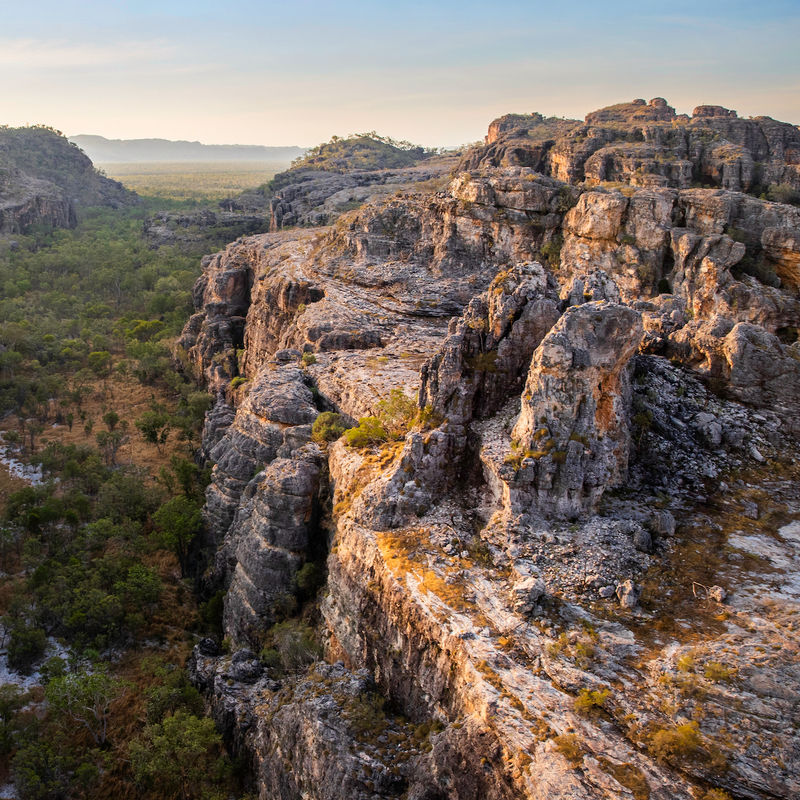
Winter reveals a different side to Australia’s landscapes. It’s a rewarding season to connect with the country's Indigenous heritage, explore tropical northern regions, red desert landscapes, or head to the snow-capped mountains in the south-east.
Events and festivals
Sydney Film Festival (New South Wales) – June
Dark Mofo (Tasmania) – June
Barunga Festival (Northern Territory) – June
Snow Season Openings (New South Wales & Victoria) – June
Darwin Festival (Northern Territory) – August
Regional highlights
Top picks include the national parks of the Top End and Red Centre, such as Kakadu and Uluru, along with Brisbane, Cairns, and the Sunshine Coast. It’s also a fantastic time to explore the Great Barrier Reef’s tropical waters.
Average temperatures
Daytime temperatures range from 6–19°C in the south to 21–31°C in the north, with colder conditions in central and alpine areas.

Example trips to Australia
Explore our thoughtfully designed itineraries to get a taste of what your personalised Australia holiday could look like. Our specialists will advise the best time of year to visit your preferred regions.


Frequently asked questions
The best time to visit Australia depends on the regions you want to include, but we usually recommend March to May or September to November for many first-time trips. These months often offer comfortable weather, good route flexibility and fewer busy periods than December and January. For northern Australia, including Cairns, Darwin and the Reef, June to October is usually the better window.
There is no single best month for all of Australia, but April, May, September and October are some of our favourites. These months work well for many self-drive routes, especially if you want to combine cities, coast, national parks, and wine regions without the heat or busier school-holiday periods of December and January.
Summer in Australia runs from December to February, bringing long days, warm evenings and a lively atmosphere in many coastal and city destinations. It can be a lovely time for beach stays, outdoor dining and festivals, although popular coastal areas are often busier and more expensive during the Australian school holidays.
Your tailor-made holiday to Australia
Now that you know what each season has to offer, you can choose the best time to visit Australia based on your interests.
Whether you’re drawn to summer’s lively coastlines, autumn’s quiet trails, spring’s vibrant blooms, or winter’s peaceful retreats, travelling to Australia promises unforgettable experiences year-round.
Browse our Australia itineraries or speak with one of our travel specialists to start creating a holiday that’s perfectly tailored to you.