Where should you go in Northwest Australia?
Northwest Australia rewards those who take their time. It’s a region of vast landscapes, striking contrasts and unforgettable experiences. We’ve brought together our specialists’ first-hand knowledge and insider tips to help you create your dream holiday.

Explore the highlights of Northwest Australia
Australia’s Northwest is made for travellers who want to go beyond the usual Australian highlights. From the gorges of Karijini National Park to Ningaloo Reef and the vast Kimberley, this is a region where travelling a little more slowly and choosing smaller local stays and experiences can make a real difference to your trip.
It’s also an area our specialists particularly recommend if you want to get off the beaten track. Distances are big, so getting the route right matters. We can help you decide where it’s worth spending an extra night, introduce you to local hosts and guides, and build the journey around the places you genuinely want to experience.

1. What makes Broome worth the visit?
Broome is a good place to slow the journey down for a few days rather than simply treating it as the gateway to the Kimberley. Its pearling history has shaped the town for generations, bringing together cultures and communities that still influence Broome today.
A local guide can help you uncover those stories, alongside the coastline and wildlife that are easy to miss when exploring independently. We recommend smaller tours according to what interests you, whether that’s nature, Indigenous culture, Broome’s pearling heritage or seeing the landscape from the air.

Discover Broome’s pearling past
Broome's history is rooted in the pearling industry. Known as the “Pearl of the North,” the town flourished during the late 19th and early 20th centuries as a major pearling centre. You can explore the rich maritime heritage and learn about the history of pearl diving at the Broome Historical Museum and the Pearl Luggers Museum.
Our experts recommend a pearl farm experience
North of Broome, one of the experiences we particularly like combines the region’s pearling heritage with its dramatic coastline. You can learn how Australian South Sea pearls are cultivated and graded, then see how powerful tides shape this remote part of the coast.
For something more hands-on, a pearl grading experience offers a closer look at how individual pearls are assessed before they reach the shop.

Visit Cable Beach
Cable Beach is one of Broome’s best-known spots, with a long stretch of white sand facing the Indian Ocean. Head down towards the end of the day, when the heat begins to ease, and the beach is a lovely place to slow down and watch the sun set over the water.
It’s a fitting way to round off your time in Broome before continuing deeper into Northwest Australia.

2. Can Karijini be the Outback experience you’re looking for?
Karijini National Park is where Western Australia’s Outback really comes into its own.
Set within the Hamersley Range, it is Western Australia’s second-largest national park. Water has cut through rock more than 2.5 billion years old, creating narrow gorges, waterfalls and natural pools surrounded by layers of deep red rock.
It is one of the places we would prioritise if you want a genuine change of pace from Australia’s coastal cities and beaches.

Where to stay in Karijini National Park
We’d recommend giving Karijini more than a quick overnight stop. Staying within the landscape gives you time to explore before or after the busiest part of the day and makes the park feel like part of the journey rather than another sight to tick off.
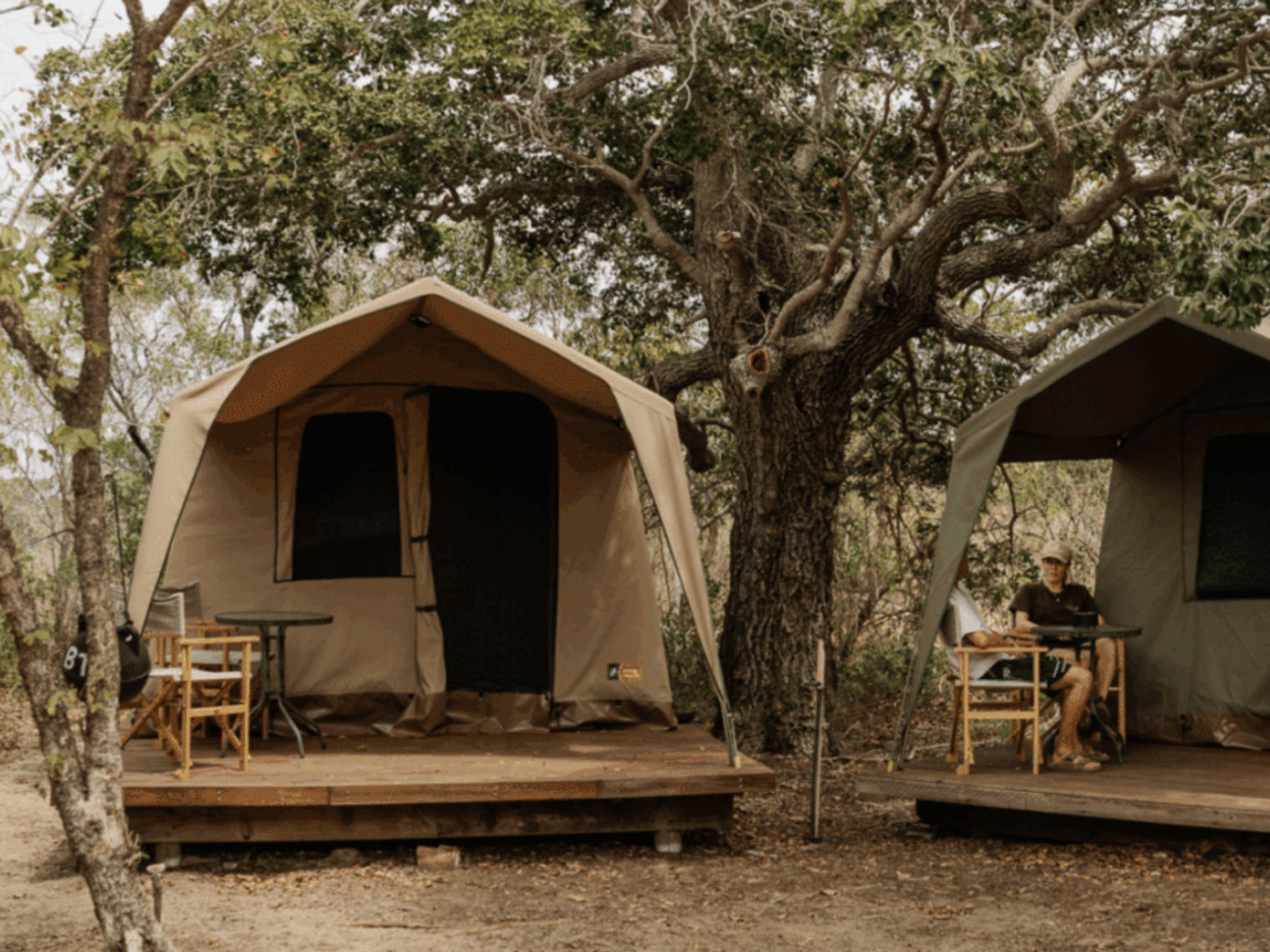
One option we particularly like is an Eco Retreat, where you can stay in safari-style accommodation within the national park. The retreat is Aboriginal-owned and works in partnership with Parks and Wildlife, so your stay also supports the people connected to the protection and management of this remarkable place.
Karijini's abundant flora and fauna
The biodiversity of Karijini National Park is truly remarkable. Amidst the rocky outcrops and arid terrain, a surprising array of plant and animal species thrive. Explore the park's various ecosystems and encounter wildlife such as rock wallabies, echidnas, reptiles, and numerous bird species. The wildflowers that blanket the landscape during Spring create an incredible visual spectacle.
How is Karijini culturally significant?
Karijini National Park holds great cultural significance for the local Indigenous communities, namely the Banyjima, Kurrama, and Innawonga people. The park's ancient landscapes and landmarks are deeply intertwined with their traditional stories and Dreamtime legends.

3. What makes Ningaloo Reef unique?
Ningaloo is one of those places where access to the reef feels remarkably immediate.
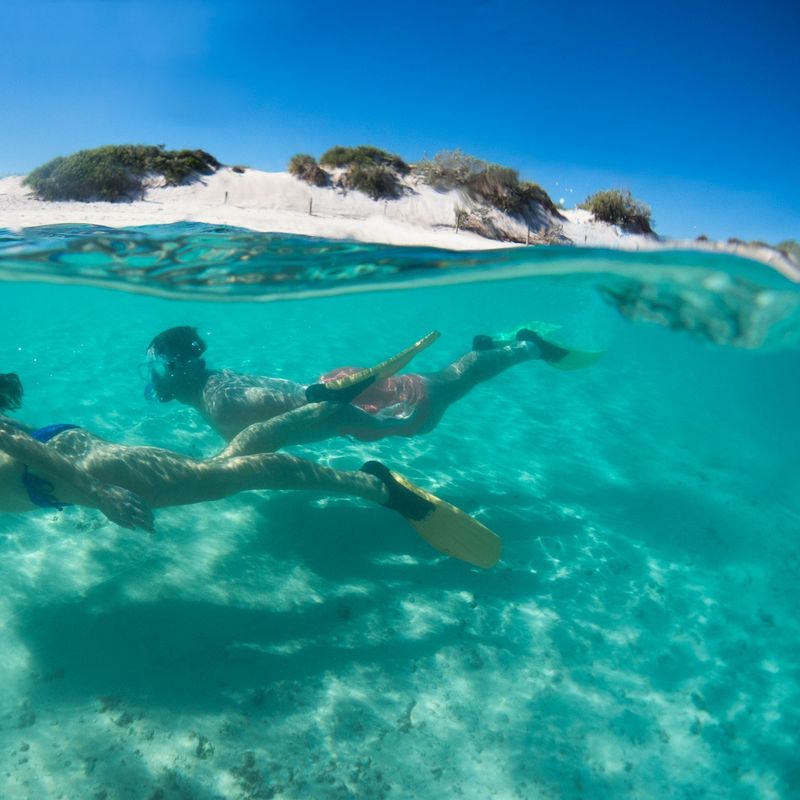
Rather than always needing a long boat journey to reach the coral, there are parts of the Ningaloo coast where you can walk into the Indian Ocean from the beach and begin snorkelling.
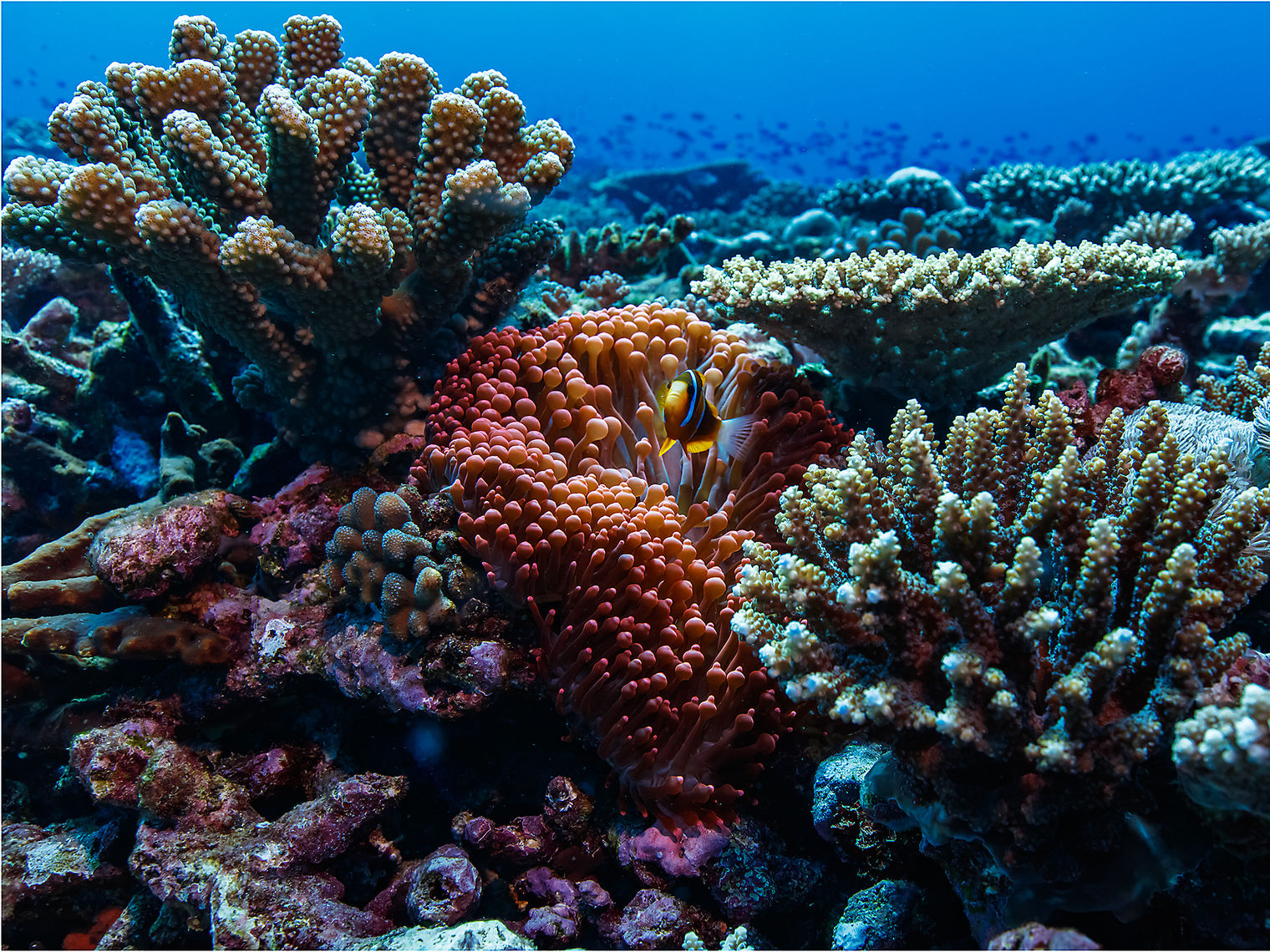
The wider Ningaloo Coast is a World Heritage Site and supports coral, hundreds of fish species and larger marine animals, including manta rays, turtles, humpback whales and seasonal whale sharks.

What marine life can you look out for at Ningaloo?
Ningaloo Reef is home to an extraordinary variety of marine life. Its coral gardens support more than 500 species of fish, while manta rays, turtles, dugongs and humpback whales can also be found along this coastline.
One of the best-known experiences is seeing whale sharks, which visit Ningaloo seasonally. We can help you choose the right time to travel and recommend an experienced local operator for the kind of wildlife experience you’re looking for.
As with any encounter in the wild, sightings can never be guaranteed, but that unpredictability is part of experiencing these animals in their natural environment.

Snorkelling and diving at Ningaloo Reef
One of the things we particularly like about Ningaloo is how accessible the reef can be. In places, you can step off the beach and start snorkelling, while local boat trips and diving excursions take you further out onto the reef.
The shallow lagoons are well suited to less experienced snorkellers, while divers can explore deeper coral formations, canyons and other underwater landscapes. We can recommend smaller local operators who know the reef well and can help you experience it responsibly.
Rather than visiting the reef for a day and moving on, we’d recommend spending a few nights here and making the coastline part of your stay.
“The beach was glorious and the water so warm! We were able to walk down and enter the water, swim out and over the beautiful coral and marine life. So many different kinds of fish.”
— Heather, Product Manager
Protecting Ningaloo Reef
Ningaloo’s coral reef, coastal dunes, mangroves and seagrass meadows form one interconnected ecosystem, supporting wildlife both above and below the water. Protecting that environment is particularly important when choosing how to explore it.
That’s why we favour experienced local operators who treat the wildlife and reef with care. Choosing smaller-scale tours and locally run experiences also means more of your holiday supports the people and businesses based in this remote part of Western Australia.
For us, responsible travel here isn’t about seeing less. It’s about choosing experiences that allow you to enjoy Ningaloo while helping to protect what makes it such a special place.

4. What can you experience in Shark Bay?
Shark Bay is much more than its famous dolphins. This World Heritage-listed area brings together sheltered bays, striking red landscapes and an extraordinary variety of marine life, from dugongs and turtles to rays and dolphins.
Monkey Mia is one of the best-known stops, but we’d also make time for the wider Shark Bay region. Walk across Shell Beach, where billions of tiny white shells line the shore, see the ancient stromatolites at Hamelin Pool and explore the red dunes and coastline of François Peron National Park.

Explore Shark Bay with one of our local partners
One of the local operators we work with offers a great way to experience more of Shark Bay’s wildlife. Alongside the morning dolphin encounters at Monkey Mia, you can head out by boat in search of dugongs, turtles, rays and other marine life.
Travelling with a local guide also gives you a better understanding of this remarkable ecosystem and the wildlife that depends on it. Rather than simply visiting the best-known spots, you have the chance to see another side of Shark Bay with someone who knows these waters well.
The dolphin experience at Monkey Mia is carefully managed by park staff to protect the animals and their natural behaviour. You can watch wild dolphins approach the shoreline during the morning programme, while feeding is limited and closely controlled.

5. What lies beyond Karijini in the Pilbara's ancient landscapes?
The Pilbara stretches far beyond Karijini, with ancient ranges, deep gorges and vast red landscapes that reveal just how old this part of Western Australia really is.
Explore Millstream-Chichester National Park, take in the coastal landscapes around Karratha and spend time at Murujuga Cultural Landscape, where an extraordinary collection of rock art tells a much deeper story of the region.

Slow down and take it in
One of the smaller stays we particularly like in the Pilbara is on a family-run working cattle station. Spending a night or two here breaks up the journey and gives you the chance to experience a quieter, more local side of the region.
It’s the kind of place we look for, full of character and closely connected to its surroundings. Your stay becomes part of the journey while also supporting a locally run business.
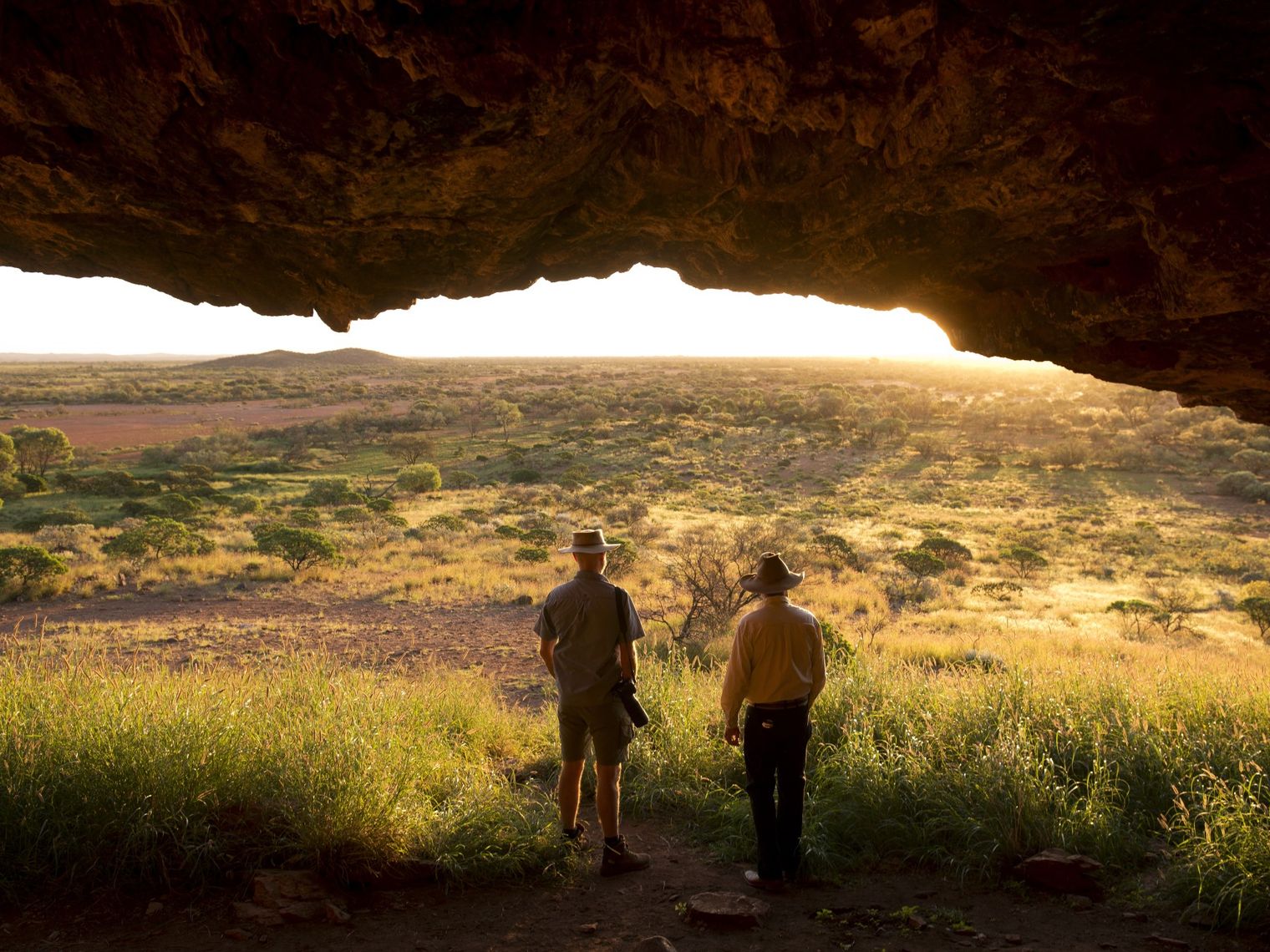
“The sunset from the hill, starry night skies and shared dinners with other guests make the experience.”
— Karin, Product Manager
Discover Murujuga's cultural landscape
Murujuga Cultural Landscape, which includes the Burrup Peninsula and parts of the Dampier Archipelago, became a UNESCO World Heritage Site in 2025. Its rock art and cultural landscape reflect more than 50,000 years of continuing connection between the Ngarda-Ngarli and Country.
Where possible, we’d recommend exploring Murujuga with local Indigenous guides. You’ll gain a much deeper understanding of the rock art, stories and continuing cultural significance of this landscape than you would simply visiting independently.

Explore the Hamersley Range
The Hamersley Range stretches for around 500 miles through the Pilbara and is formed from ancient bands of iron and silica dating back billions of years. These layers give the landscape its distinctive red and dark tones and offer a fascinating glimpse into the Earth’s geological history.
For us, the Pilbara is a good example of why it pays to look beyond the headline sights. Give yourself time between Karijini and the coast, and you’ll find smaller stays, local stories and landscapes that many travellers simply drive past.

6. What can you discover in the Kimberley?
The Kimberley is one of Australia’s most remote and dramatic regions, with ancient ranges, deep gorges and a rugged coastline shaped by powerful tides.
Rather than racing from one famous gorge to the next, we like to mix the big landscapes with much smaller experiences. That might mean exploring a remote stretch of coastline, hearing the stories behind the land or stopping somewhere that gives you a real sense of life in the Kimberley.

Experience a more local side of the Kimberley
One of the ways we like to explore the Kimberley is on a small-group 4WD journey through the region’s remote interior. The route takes in dramatic gorges, vast wilderness areas and stretches of the legendary Gibb River Road, with time to stay in a mix of lodges, safari-style camps and other characterful accommodation along the way.
The experience also combines overland travel with time on the water and in the air, including a river cruise and scenic flights over some of the Kimberley’s most spectacular landscapes. With your transport, accommodation and key experiences arranged as part of the journey, you can focus on experiencing the region rather than managing the logistics yourself.
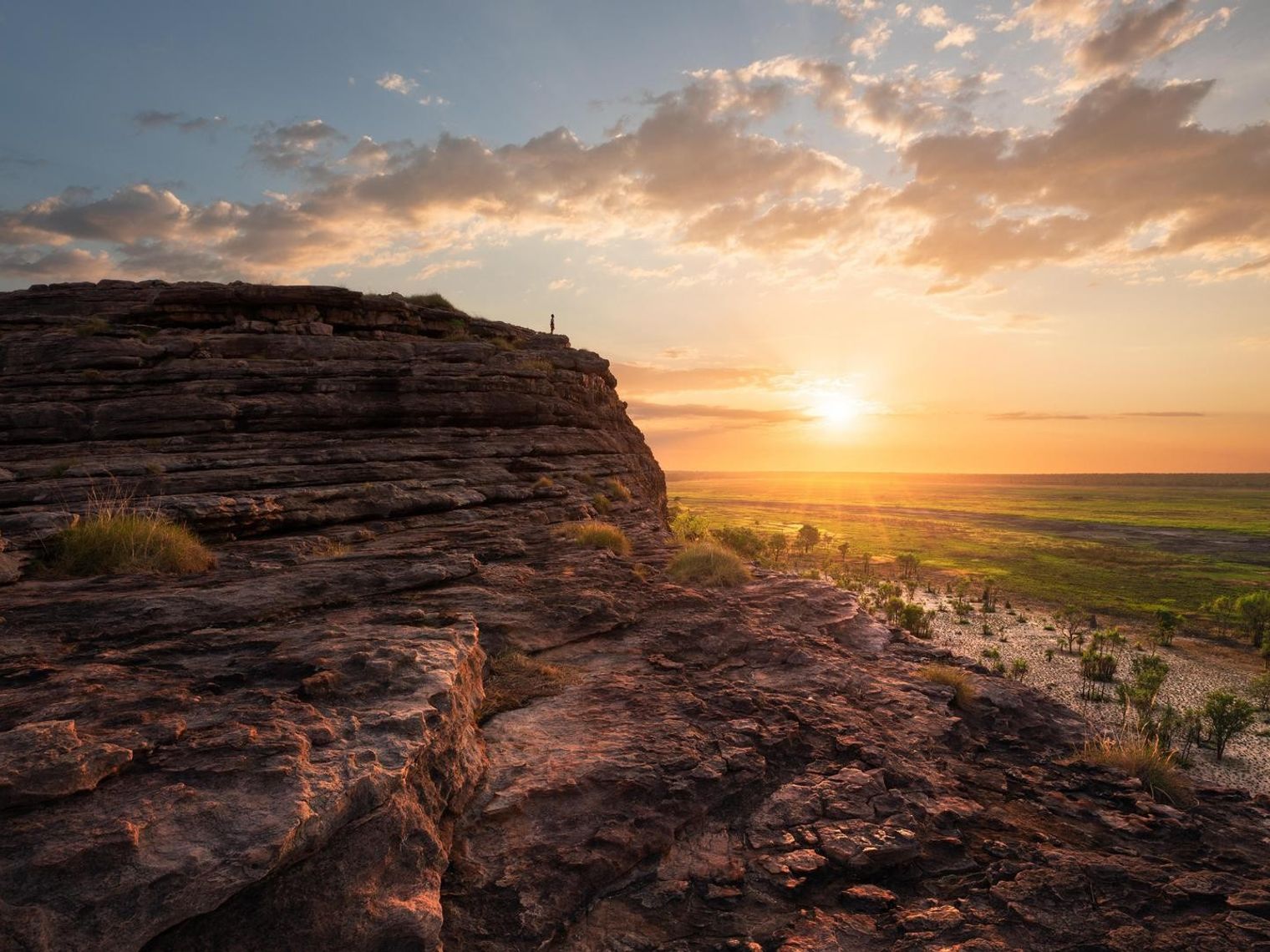
Explore the Bungle Bungle Range
The Bungle Bungle Range lies within World Heritage-listed Purnululu National Park and is famous for its distinctive striped sandstone domes.
A scenic flight gives you a sense of their scale, while walking trails lead into places such as Cathedral Gorge and Echidna Chasm. Road access into the national park requires a four-wheel drive, so a guided experience or scenic flight can be a good way to explore without adding too much driving to your route.

Discover Mitchell Falls
Mitchell Falls, in Mitchell River National Park, is one of the Kimberley’s most striking natural landmarks. Water cascades over layers of red sandstone into pools below, surrounded by a vast and remote wilderness.
Reaching this part of the Kimberley takes some planning, which is part of what makes it feel so far removed from the usual Australian route. Depending on how you want to travel, scenic flights and guided experiences can help you include Mitchell Falls without spending a large part of your holiday simply getting there.

Visit Horizontal Falls
Hidden within the Kimberley’s rugged coastal landscape, Horizontal Falls are created as powerful tides rush through narrow gaps between the cliffs, producing an unusual horizontal waterfall effect.
Scenic flights and licensed tours offer different ways to experience the Horizontal Falls and the surrounding Buccaneer Archipelago. Seeing this coastline from above is also a striking way to appreciate just how remote and extensive the Kimberley really is.

7. What makes Cape Range National Park worth exploring?
Cape Range National Park combines rugged limestone ranges, deep gorges and a striking stretch of coastline just outside Exmouth.
With Ningaloo Reef on one side and canyons, walking trails and wildlife on the other, staying several nights around Exmouth lets you choose each day according to the conditions rather than rushing between pre-planned stops.

Explore Yardie Creek
Yardie Creek cuts through the range towards the coast, with red limestone cliffs rising above the water. You can explore the area on foot or take to the water for a different perspective on the gorge and surrounding landscape.
Spend time at Turquoise Bay
Turquoise Bay is one of the park’s best-known beaches and a favourite with our experts. The reef lies close to shore, making it easy to combine time on the beach with snorkelling among coral and marine life.
Our recommendation is not to rush between several beaches in one afternoon. Choose one or two places, check the local conditions and give yourself time to enjoy them properly.

Frequently asked questions
Yes, Northwest Australia is absolutely worth visiting if you enjoy remote landscapes, wildlife, Aboriginal culture and places that feel far from the usual tourist route. It is a region for unhurried travellers, with highlights such as Broome, Karijini National Park, Ningaloo Reef and the Kimberley all needing proper time.
For most travellers, we would suggest at least 10 to 14 days for Northwest Australia, and longer if you want to combine the Pilbara, Ningaloo and the Kimberley. Distances are large, so a slower route with two or three nights in key places usually works far better than trying to see everything quickly.
Our favourite time to visit Northwest Australia is usually May to October, when the Kimberley and Pilbara are generally drier and more accessible. June to August are often most comfortable for walking and touring, while September and October can be warmer but still rewarding, especially around the coast.