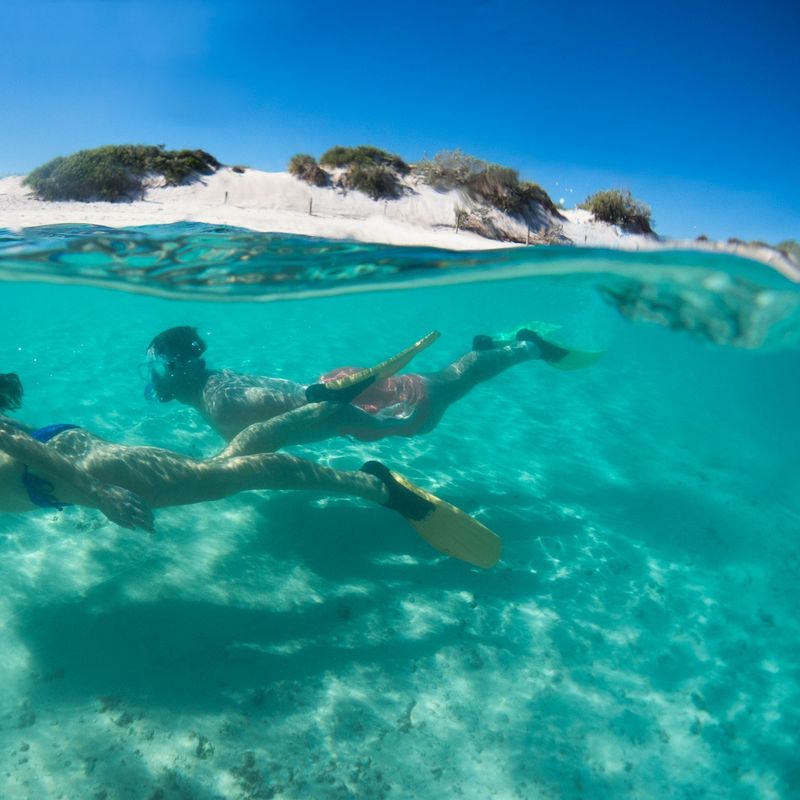
Worried about Australia’s dangerous animals?
Australia is famous for its wildlife, and some of it certainly comes with a fearsome reputation. But should snakes, spiders, crocodiles and sharks really make you think twice about travelling there? In our experience, no.

The real question isn’t “Are they there?”
It’s: "Will I be safe?"
What matters is understanding the environments you are exploring. Warning signs, seasonal conditions, and local advice are there for a reason, and knowing when and where to take a little extra care makes all the difference.
We work with knowledgeable local guides and hosts across Australia who understand these landscapes first-hand, helping you experience the country’s wildlife safely, respectfully, and in the places where it belongs.

Saltwater crocodiles: respect the signs, enjoy the experience
Australia is home to both freshwater and saltwater crocodiles, but it’s the saltwater crocodile that dominates the waters of the north. Found across Western Australia, Queensland and the Northern Territory, this region is often known as “Crocodile Country”, and for good reason.
Saltwater crocodiles live in both fresh and salt water and can grow up to 23 feet long. They are powerful, fast and at their most dangerous in the water, where they can launch themselves suddenly at prey close to the water’s edge.
That’s why warning signs in northern Australia should always be taken seriously. Never swim or stand too close to rivers, billabongs, estuaries or beaches unless you know it is safe. When in doubt, ask the locals. They know which areas to avoid.

There are also incredible ways to experience crocodile country without feeling as though you are taking unnecessary risks. This is where travelling with people who genuinely understand the environment makes a difference.
One experience we particularly like is a three-day guided kayaking journey along the Katherine River in Nitmiluk National Park. Leaving the busier stretches behind, you paddle deeper into the landscape with a local guide who understands the river, its wildlife, and the conditions along the way.
Crocodiles, snakes and other native wildlife may all be part of the experience, but you are seeing them with someone who knows how to explore this environment responsibly.

Snakes: rarely seen, even more rarely a problem
It’s natural to feel a little wary of snakes when travelling through Australia. The country is home to some of the world’s most venomous species, including the eastern brown snake and inland taipan. They live in a range of environments, from bushland and national parks to farmland and remote areas.
For most travellers, however, snakes are not something to be overly concerned about. They generally avoid people and will usually move away if given the chance. If you are walking through bushland or long grass, wear suitable footwear, stick to marked trails where possible and avoid reaching into places you cannot clearly see.
Very Important! If you do come across a snake, keep your distance and allow it to move away. Never try to approach, touch or move it yourself.

Spiders in Australia: should you actually worry?
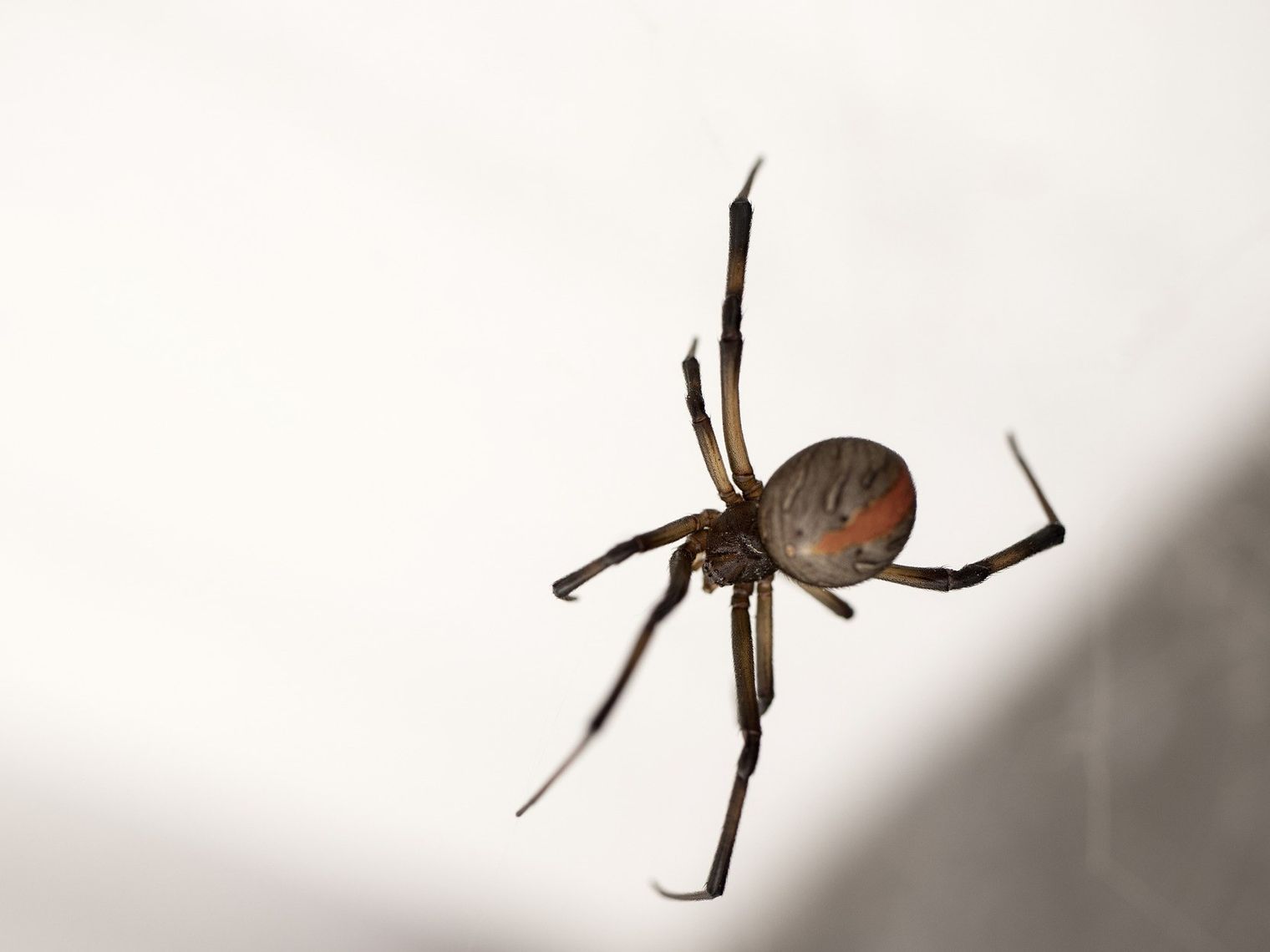
Spiders are the biggest fear for most people. Australia is home to some highly venomous spiders, including the Sydney funnel-web and redback, but their reputation can make them seem much more present in everyday travel than they really are.
Funnel-web spiders are mainly associated with eastern Australia, particularly around Sydney and parts of New South Wales. Redbacks are found more widely across the country and tend to favour sheltered places rather than busy open spaces.
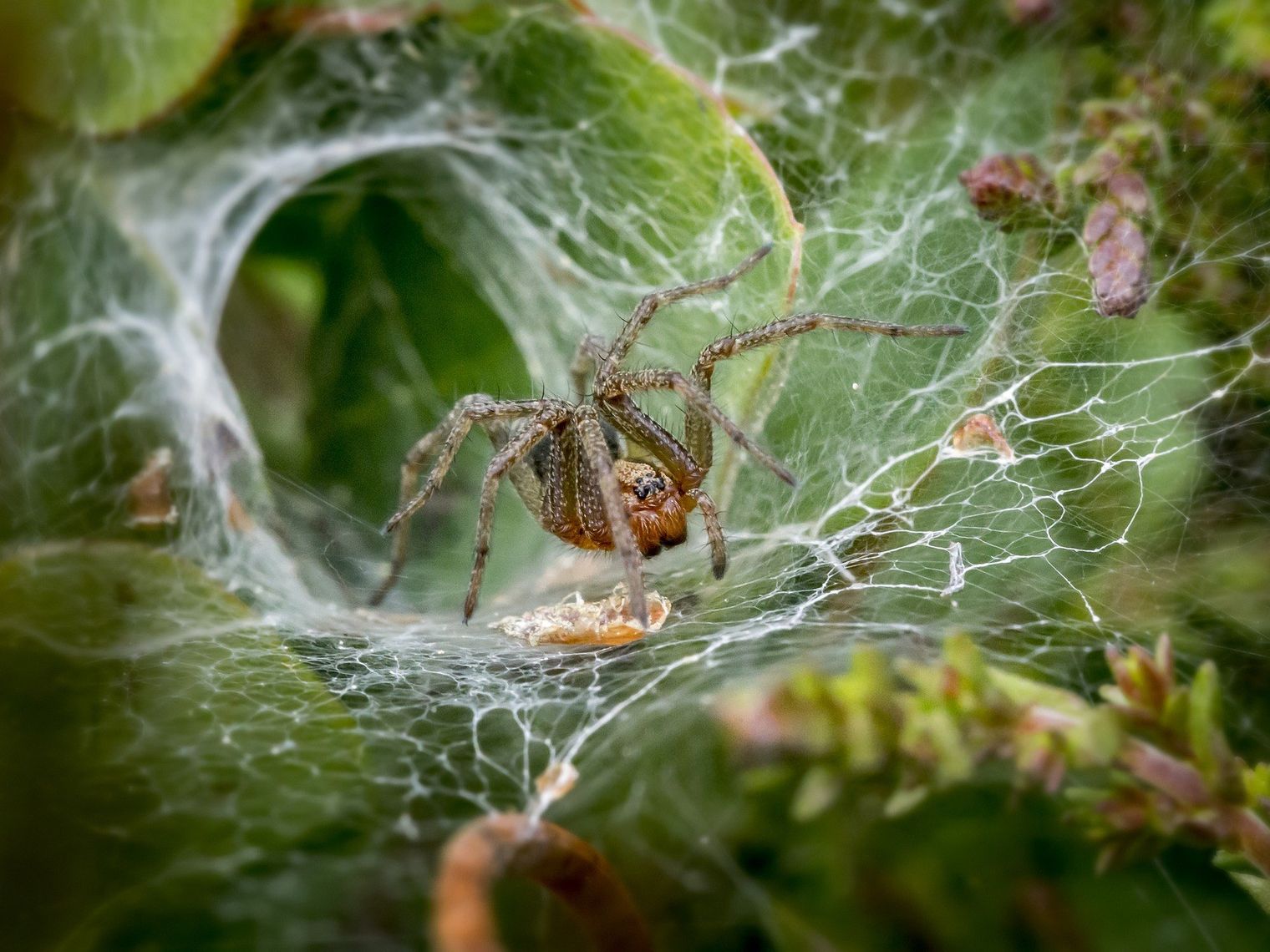
For travellers, there is very little reason to spend your holiday worrying about either. Avoid putting your hands into dark gaps, beneath rocks or into places you cannot see, and follow the advice of your hosts if you are staying somewhere particularly rural.
If you are exploring remote bushland, national parks or walking trails, local advice is always worth following. Our hosts, guides and accommodation partners know these environments first-hand and can tell you what to be aware of in that particular area.
Their experience is far more useful than arriving with a long list of stories about Australia’s snakes and spiders, and helps keep their reputation from overshadowing the experience.
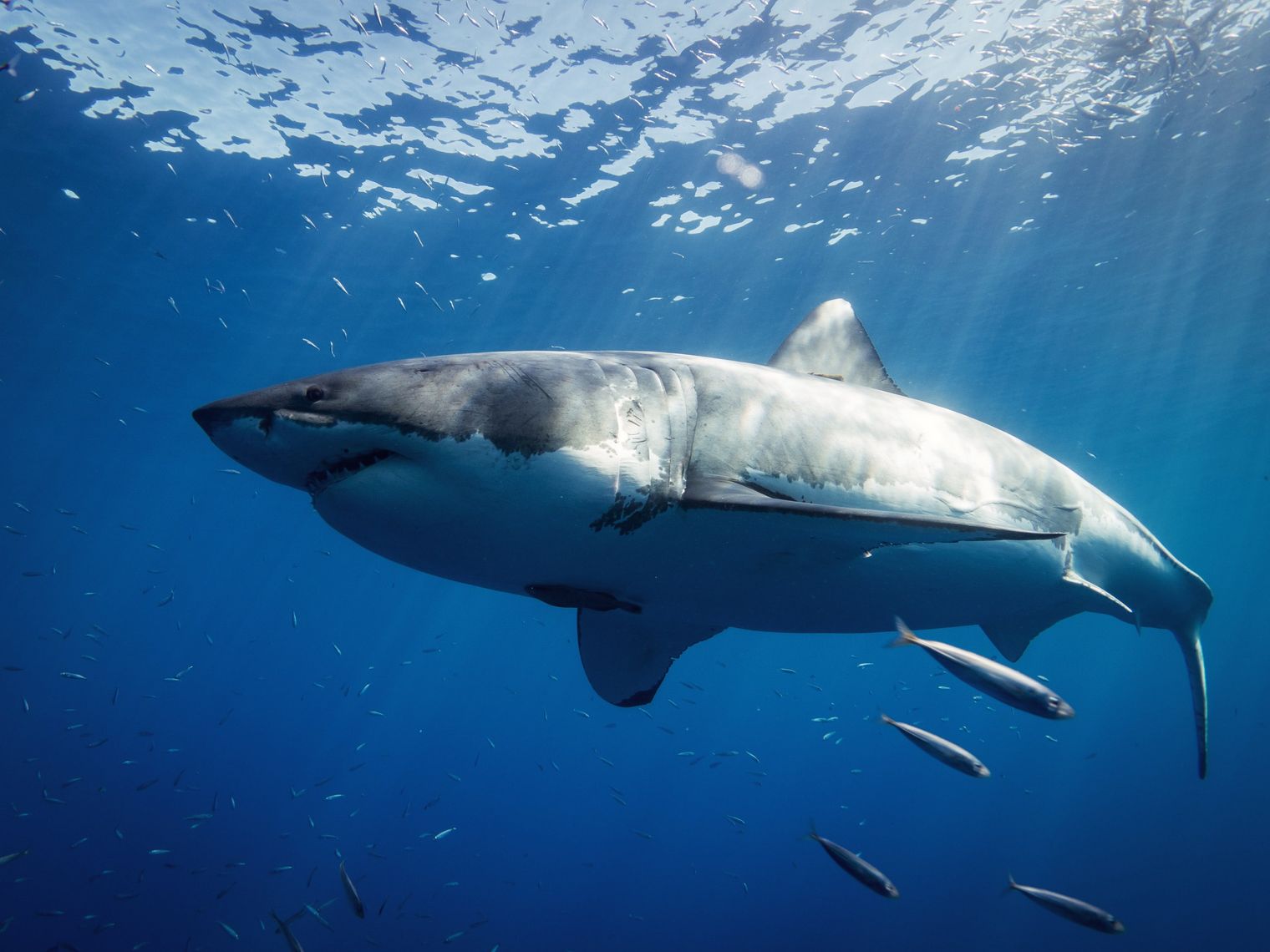
Great white sharks: big reputation, rare encounters
Sharks are found throughout Australia’s coastal waters, from small reef sharks to the great white shark. The great white is the best known and, partly thanks to the film Jaws, often the most feared, partly due to its portrayal in popular culture.
Great white sharks are most commonly found along Australia’s south and east coasts, although they have also been recorded off Western Australia. Even so, shark attacks remain rare, and Australia’s popular swimming beaches are generally well monitored. Many have lifeguards, patrols and safety measures in place, including shark nets in some areas.
There is no need to avoid the sea altogether, but sensible precautions are recommended. Swim between the flags, follow local advice and avoid swimming at dawn or dusk, when sharks are more active and visibility is lower.
When we plan coastal stays, we can also advise you on the best places for swimming, snorkelling and other marine experiences along your route. Local conditions matter far more than Australia’s reputation for sharks, so we always recommend following the advice of lifeguards, guides and people who know that particular stretch of coast.

Jellyfish: be aware, not alarmed
Northern Australia is home to several species of jellyfish, including box jellyfish and Irukandji, which can pose a serious risk in certain coastal areas. They are mainly found in tropical waters around northern Queensland, the Northern Territory and northern Western Australia.
The risk is seasonal and varies depending on where you are travelling. In many northern areas, stinger season generally falls during the warmer months, when beaches may have warning signs, stinger nets or advice recommending protective suits.

Box jellyfish
The box jellyfish, also known as a sea wasp or marine stinger, is one of the most venomous animals in the world. It has long tentacles lined with venomous cells, and its sting can be extremely dangerous.
Box jellyfish are found in northern Australian waters, particularly around the Northern Territory and Queensland. Stinger season generally runs from November to April on the east coast, although local conditions vary. Always check beach signs and follow local advice before entering the water.
Irukandji jellyfish
The Irukandji is much smaller and harder to see than the box jellyfish, but its sting can still be serious. It is found in similar northern waters and is another reason to take local warnings seriously, wear a stinger suit when advised and swim only in designated areas.

If you are swimming or snorkelling in these regions, always follow local guidance and any instructions from lifeguards or tour operators. Protective stinger suits are often provided on organised reef and marine trips where they are recommended.
Conditions can differ from one part of the coast to another, so it is always worth following the advice given locally.
On one of our Outer Great Barrier Reef snorkelling tours, you explore quieter reef sites in a small group, with an experienced guide helping you discover some of the best snorkelling spots while knowing how to enjoy the reef responsibly.

Kangaroos: the animal you’re most likely to meet
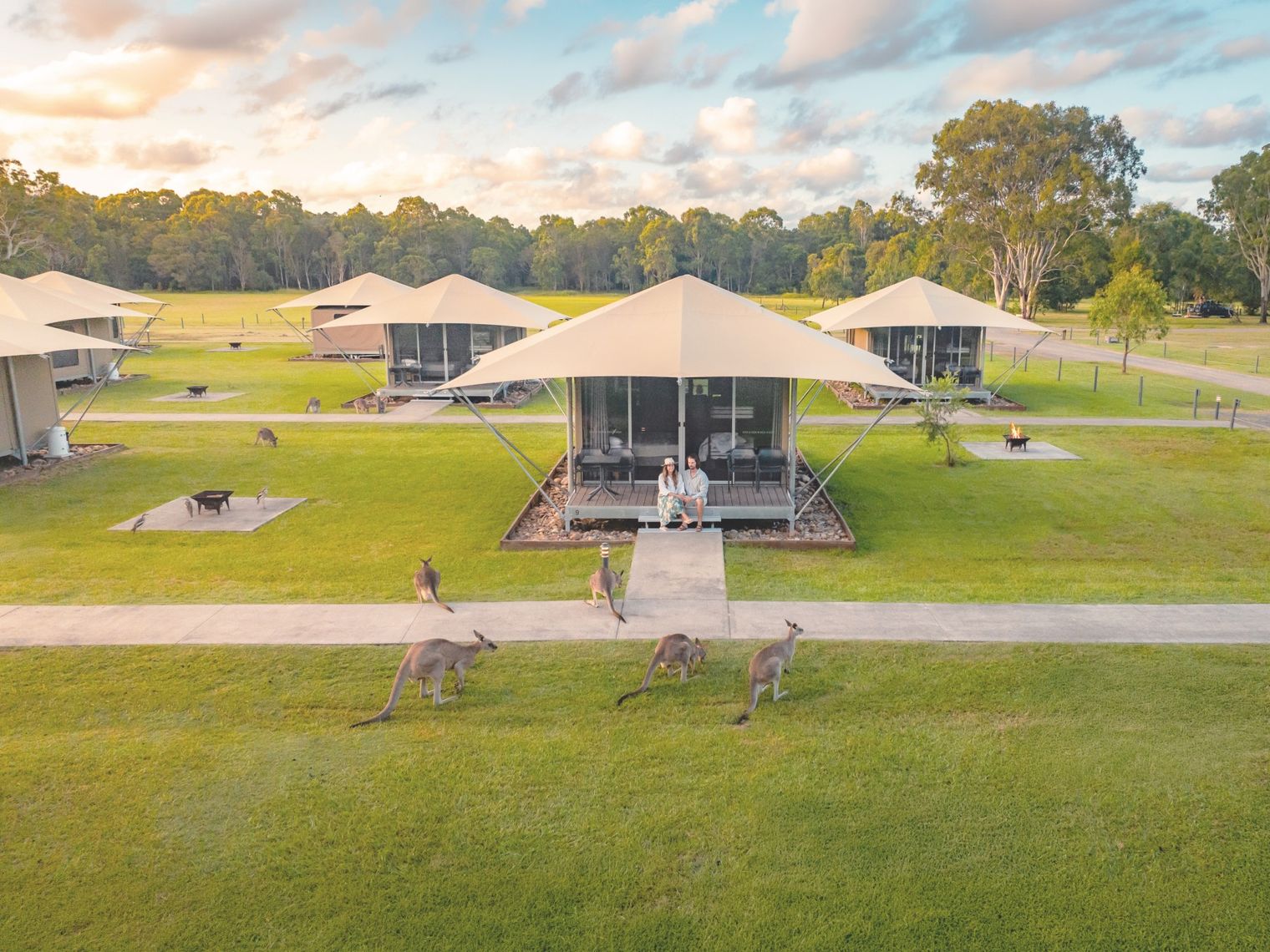
Kangaroos are one animal you are genuinely quite likely to encounter on an Australian road trip, and we certainly would not want it any other way. One of the pleasures of staying in quieter, rural parts of Australia is seeing them grazing naturally in the landscape, particularly around dawn and dusk.
Some of the small-scale accommodation we use makes that possible without you having to go looking for wildlife at all. You might step onto your terrace in the morning to find kangaroos grazing nearby or watch them appear across the grounds as the light begins to fade.

The time to be more cautious is when you are driving. Kangaroos and other wildlife are particularly active around dawn, dusk and after dark, and they can move onto the road unexpectedly.
That is why we generally recommend avoiding long night drives in remote areas and planning each day so that you reach your accommodation before dark where possible.
It is a small piece of route planning, but one that makes your journey both safer and more enjoyable.
Frequently asked questions
Australia's most dangerous animal is often the kangaroo, because road collisions are a more realistic risk than bites or stings. In remote areas, kangaroos and other wildlife are most active around dawn, dusk and after dark, so we usually recommend avoiding night driving where possible.
Australia’s dangerous animals deserve respect, but serious encounters are rare when you follow local advice. Most holidays pass without seeing a snake, spider, crocodile or shark. The key is to take warning signs seriously, swim only where it is recommended, and ask locals before entering rivers, beaches or bushland areas. Our expert local guides know the land inside out and will help you explore Australia’s wild landscapes safely and confidently.
Saltwater crocodiles are found across northern Australia, including parts of Western Australia, Queensland and the Northern Territory. This is often called Crocodile Country, and the safest rule is simple: never swim, paddle or stand close to rivers, estuaries, billabongs or remote beaches unless you know they are safe.